
Engineering Adrenaline: 10 Production Cars with Genuine Motorsport DNA
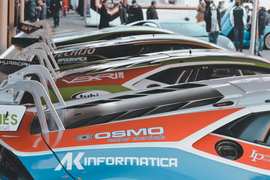
For the true automotive enthusiast, there is a visceral, almost electric connection that occurs when you press the starter button on a car forged in the fires of high-level competition. We aren’t merely discussing vehicles with aggressive body kits or marketing-led performance trims; we are talking about motorsport DNA—engines engineered for the absolute brutality of the track, then refined just enough to be let loose on public roads. These powerplants serve as a direct, mechanical link to the legendary circuits of Le Mans, the high-speed drama of Formula 1, and the punishing endurance of the WRC.
With over a decade spent evaluating high-performance machinery, I have found that the gap between a factory road car and a pure race car is often narrower than the public realizes. When a manufacturer invests millions into powertrain development for professional racing, that engineering excellence inevitably cascades into their high-end production lines. Today, we’re peeling back the curtain on ten iconic production vehicles that blur the lines between race-day glory and street-legal excitement.
Why Manufacturers Invest in Motorsport
The “Win on Sunday, Sell on Monday” ethos remains the cornerstone of the automotive industry. Investing in motorsport is an incredibly high-stakes R&D gamble, but it pays dividends in brand equity and technological transfer. Advanced automotive engineering—from sophisticated aerodynamic profiles to the metallurgy of high-revving internals—is perfected under the extreme stress of track racing. When a consumer buys a performance-oriented vehicle, they aren’t just buying transportation; they are buying the result of decades of trial, error, and victory.
Alfa Romeo Montreal: The Tipo 33 Legacy
The Alfa Romeo Montreal remains an underrated masterpiece. At its heart sits a 2.6-liter naturally aspirated V8 derived from the Tipo 33 endurance prototype. While the road-going version was slightly detuned for daily manners, the engine maintains an aggressive, racing-derived personality, capable of screaming to 7,000 RPM. This car serves as a bridge between the Targa Florio endurance races and the driveway of the classic car collector.
BMW M1, M5 (E28), and M6 (E24): The Inline-Six Era
BMW’s M division is built upon a foundation of pure competition. The legendary M88 inline-six engine—famously utilized in the M1 ProCar series—became the heartbeat of the original M5 and M6. Meanwhile, the E30 M3 utilized the S14 engine, which shared DNA with BMW’s dominant Formula 1 efforts. This era of high-performance engine technology defined the German manufacturer’s reputation for precision, balance, and mechanical feedback.
Chevrolet Camaro ZL1: The Can-Am Beast
In 1969, the Chevrolet Camaro ZL1 was effectively a drag-strip weapon with a license plate. Powered by a 7.0-liter (427 cubic-inch) V8 originally designed for the intense Can-Am racing series, the ZL1 used all-aluminum construction to keep weight down while churning out massive power. It remains one of the most significant pieces of American muscle car history, with only 69 units ever produced for the public.
Ferrari Dino 206 GT: The Formula 2 Connection
The Dino 206 GT represents a pivotal moment for Maranello. Its 2.0-liter V6 was a direct descendant of Ferrari’s Formula 2 program. Weighing in at just over 2,000 pounds, the Dino offered a pure, high-revving experience that prioritized handling agility over raw displacement. It remains a masterclass in how to translate racing performance specs into an accessible, mid-engine sports car layout.
Ferrari F50: F1 Power for the Road
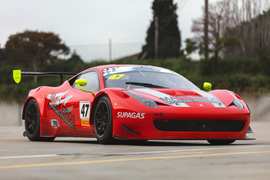
If the Dino was the beginning, the Ferrari F50 was the culmination. Designed for the company’s 50th anniversary, the F50’s 4.7-liter V12 was essentially a detuned version of the Tipo 641 Formula 1 engine. With an 8,500 RPM redline and a chassis that uses the engine as a structural member, the F50 provides an unfiltered experience that remains the gold standard for road-legal supercar performance.
Ford GT (2005 & 2017): Le Mans Engineering
Ford has a long history of utilizing endurance racing to drive innovation. The 2005 GT featured a supercharged 5.4-liter V8 that drew heavy inspiration from the Daytona Prototype program, while the 2017 iteration utilized a high-output 3.5-liter twin-turbo EcoBoost V6. This modern marvel demonstrates how turbocharged automotive innovation has evolved, allowing smaller, lighter engines to compete with the legendary V8s of the past.
Jaguar XJ220: Group C Dominance
The Jaguar XJ220 holds a special place in history, not least because it broke the world production car speed record. Its engine was a 3.5-liter twin-turbo V6 lifted directly from the XJR-11 Group C racer. Despite the departure from the original V12 concept, the resulting power output and top-end speed proved that competition-bred forced induction was the future of high-speed motoring.
Plymouth Belvedere: The 426 Hemi Revolution
Few engines carry as much cultural weight as the 426 “Race Hemi.” Developed specifically for the high-speed oval of NASCAR, this 7.0-liter beast turned the unassuming 1964 Plymouth Belvedere into a street-legal force of nature. It serves as a reminder of the era when high-performance vehicle parts were swapped almost directly from the track to the showroom floor.
Porsche 918 Spyder: The Hybrid Prototype
The 918 Spyder represents the pinnacle of modern hybrid integration. By pairing an electric motor system with a 4.6-liter V8 derived from the RS Spyder Le Mans prototype, Porsche achieved a 0-60 time of just 2.2 seconds. This vehicle highlights the shift toward sustainable high-performance vehicles without sacrificing the emotional roar of a track-bred combustion engine.
Porsche Carrera GT: The V10 Legend
Finally, the Porsche Carrera GT stands as arguably the greatest analog supercar ever produced. Its 5.7-liter V10 was originally meant for the grid of Formula 1, then transitioned to an abandoned Le Mans prototype project. When Porsche finally dropped this engine into a road car, it created a 603-hp masterpiece that continues to command premium valuations in the secondary market due to its unmatched automotive investment value.
Choosing Your Own Piece of Motorsport History
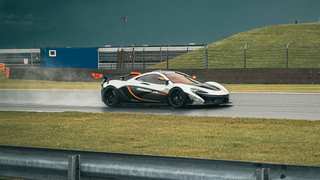
The common thread among these ten machines is their refusal to compromise on engineering intent. Whether you are hunting for a classic investment or looking to experience the raw engineering of a modern hybrid, the market for race-bred road cars is as vibrant as ever. If you are interested in exploring how to acquire a vehicle with genuine competitive provenance, or if you simply want to learn more about the maintenance of high-performance engines, reach out to our team of specialists today to discuss your next automotive acquisition.