
The Evolution of Precision: Why the Porsche 911 GT3 RS Remains the Apex Predator
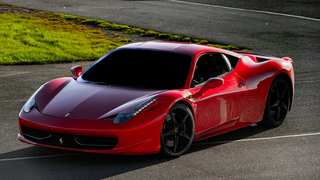
In the high-stakes world of automotive engineering, few badges command as much reverence as the “RS” suffix. Since 1999, when Porsche first unveiled the 996-generation GT3, the manufacturer signaled a shift in philosophy: the road-legal car should be nothing more than a thinly veiled endurance racer. While the standard GT3 was—and remains—a masterclass in sports car dynamics, the Stuttgart engineers were never satisfied. By 2003, they unleashed the GT3 RS, a machine so stripped-back and visceral that it made its siblings seem like grand tourers. Today, as we stand on the precipice of the 992.2 iteration, the Porsche 911 GT3 RS remains the definitive benchmark for track-focused performance.
The Engineering Pedigree of the 911 GT3 RS
If you have spent a decade in the paddock, you learn quickly that raw horsepower is rarely the deciding factor in lap times; it is efficiency, balance, and mechanical feedback. The current 992.1 generation is a testament to this, functioning more like a fighter jet than a traditional coupe. With its carbon-fiber-reinforced plastic (CFRP) construction, hydraulic front splitter, and an F1-inspired Drag Reduction System (DRS) integrated into that gargantuan swan-neck rear wing, the GT3 RS generates 860kg of downforce at 177mph.
The beating heart of this machine is the 4.0L naturally aspirated flat-six engine. Producing 525 horsepower, it is a glorious anachronism in an industry obsessed with forced induction. While competitors chase top-speed headlines with massive turbochargers, the Porsche 911 GT3 RS prioritizes the linear, intoxicating power delivery that only a high-revving, naturally aspirated flat-six can provide. This powertrain, coupled with a dual-clutch PDK gearbox, allows for a 0-62mph sprint in just 3.2 seconds—a figure that feels almost conservative compared to how the car carries speed through mid-corner apexes.
The 992.2 Horizon: Refining the Icon
Recent intelligence and spy photography from the Nürburgring confirm that the 992.2 Porsche 911 GT3 RS is in its final testing phase. For those monitoring the market, the anticipation is palpable. While the silhouette remains familiar, the subtle aerodynamic refinements—such as the reshaped rear diffuser and nuanced intake cooling—suggest Porsche is pushing the envelope of thermal management even further.
Speculation regarding the powertrain of this updated model has been rampant. Industry analysts have whispered about the potential integration of the 3.6L twin-turbo hybrid setup found in other 992.2 variants. However, as an expert in the space, I firmly believe this is unlikely for the RS. Weight is the enemy of the track-focused sports car, and a hybrid battery array, while providing a substantial power boost, would fundamentally compromise the weight-to-power ratio and, more importantly, the crystalline steering feedback that defines the experience.
The GT3 RS is not a vehicle built to win a drag race at a local stoplight; it is designed to be the ultimate track-day weapon. Adding electrification for the sake of peak output would be a betrayal of the model’s spirit. The 4.0L naturally aspirated flat-six is likely nearing its regulatory swan song, and Porsche knows that collectors and driving purists demand this final, pure iteration before the era of electrification fully takes hold.
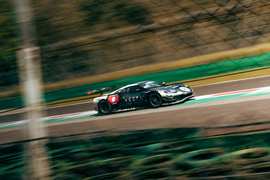
Market Positioning and Competitive Landscape
High-performance luxury vehicles are currently seeing a shift in buyer behavior. Prospective owners are no longer just looking for prestige; they are seeking high-residual-value assets and legitimate track capability. The Porsche 911 GT3 RS occupies a unique tier in the automotive market, often serving as a hedge against the depreciation seen in mass-market luxury brands.
When evaluating rivals like the latest AMG GT or track-hardened McLarens, one must consider the “total cost of ownership” and track-readiness. While competitors may offer higher horsepower numbers, the Porsche 911 GT3 RS offers unparalleled track-day reliability and a massive support network. When you are pushing the limits at a private track day, you don’t want to be troubleshooting complex hybrid systems; you want the mechanical consistency that Porsche’s GT department has perfected over the last 25 years.
The Future of the Naturally Aspirated Flat-Six
As we look toward the next generation, the pressure from environmental regulations is intense. The 992.2 iteration represents a critical intersection for Porsche. The brand has been a pioneer in luxury automotive performance, and the GT3 RS is their flag-bearer. If the upcoming 992.2 remains true to the 4.0L naturally aspirated flat-six, it will likely become one of the most sought-after collector cars of the decade.
We are seeing a surge in demand for these mechanical machines. Whether you are looking at the Southern California circuit scene or elite track clubs in Europe, the presence of the GT3 RS is dominant. It remains the gold standard for those who view driving not as a commute, but as a discipline.
Final Thoughts: The Time to Act
The Porsche 911 GT3 RS is not merely a car; it is a manifestation of two decades of relentless pursuit of excellence. It bridges the gap between a homologated race car and a street-legal dream. As the industry moves toward electrification, the window to own a pure, naturally aspirated, track-oriented powerhouse is closing.

If you are an enthusiast looking to secure your place in this legacy, or a collector seeking to optimize your portfolio with one of the most significant engineering achievements of the 21st century, now is the time to prepare. Given the expected demand for the 992.2, allocations will be extremely limited. Reach out to your local Porsche authorized center today to express your interest and ensure you remain informed on the latest developments regarding order windows and vehicle configuration. Don’t wait for the secondary market markup—take the initiative now to secure your piece of automotive history.