
Porsche 911 GT3 RS: Evolution of a Track Icon
Since its inception in 1999 with the 996 GT3, Porsche has consistently redefined the pinnacle of track-focused performance. The original GT3, equipped with a race-tuned flat-six engine, lightweight construction, and homologation-derived development, was widely regarded as the ultimate 911 for performance enthusiasts. However, Porsche’s engineering team harbored a vision for further refinement.
This ambition materialized with the facelifted 996.2 GT3, which birthed the GT3 RS. By implementing further weight reduction through lighter wheels and body panels, enhancing engine output, and optimizing aerodynamics, Porsche created a vehicle that elevated the concept of a track car to an unprecedented level. The GT3 RS not only surpassed its predecessor but also established itself as an enduring icon in the track day and driving community over the subsequent two decades.
The current iteration, the 992.1 GT3 RS, represents the zenith of this track-focused philosophy. Its design incorporates a carbon fiber bonnet housing a central radiator and distinctive “nostril” outlets for superior airflow management over the roof. Advanced aerodynamic features include a hydraulically adjustable front splitter and underbody flaps, mirroring the technology found in the Turbo S. The prominent swan-neck rear wing, a design element also present in Formula 1 and the McLaren P1, is equipped with the Drag Reduction System (DRS).
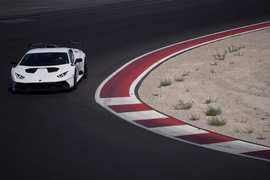
Further enhancing its track prowess are adjustable race-derived suspension, dynamic engine mounts, enlarged air intakes, side skirts, and a potent 4.0-liter naturally aspirated flat-six engine producing 525 horsepower. This comprehensive suite of performance enhancements enables the 992.1 GT3 RS to achieve 0-62 mph in just 3.2 seconds, generate 860 kg of downforce at 177 mph, and record a remarkable Nürburgring lap time of 6:44.85. This level of performance firmly distinguishes it from standard GT3 models.
Upcoming 992.2 GT3 RS: Further Refinements in Final Testing Phase
Recent observations of camouflaged prototypes undergoing testing at the Nürburgring indicate that the facelifted 992.2 GT3 RS is nearing its debut. The visual changes from the outgoing 992.1 model are subtle, retaining the central radiator with “nostril” outlets, the prominent swan-neck rear wing with DRS, large air intakes, side skirts, and even familiar door handles.
A notable design modification includes lower-mounted indicators, a departure from the integrated headlight placement seen on most 992.2 models. The rear diffuser has also undergone a slight redesign, featuring new, unobtrusive rear intakes flanking the exhaust system. While it remains unconfirmed whether the 992.2 GT3 RS will adopt the digital dashboard prevalent across the 992.2 range, it is evident that the vehicle will continue to embody the aggressive yet highly effective track car persona synonymous with the GT3 RS lineage.
Speculation suggests a potential powertrain shift to the 3.6-liter twin-turbo hybrid flat-six utilized in other 992.2 models, which would undoubtedly increase power output beyond the current 4.0-liter naturally aspirated unit. However, evidence suggests this is unlikely. Firstly, had Porsche intended to standardize the hybrid system, it would likely have been incorporated into the standard GT3. Secondly, despite the advancements in hybrid technology, the added weight remains a critical consideration for a model where weight optimization is paramount. Most importantly, the ethos of the GT3 RS is rooted in providing a pure, thrilling driving experience, rather than solely pursuing record-breaking performance.
This pursuit of ultimate performance is reserved for models like the forthcoming GT2 RS, which is anticipated to feature the 3.6-liter hybrid flat-six. Porsche’s commitment to its GT3 RS clientele lies in delivering an unadulterated, mechanically focused, and race-tuned driving machine. The integration of anything other than its naturally aspirated 4.0-liter flat-six would fundamentally compromise this philosophy. This is especially pertinent given the strong possibility that the 992.2 GT3 RS may mark the swansong for this iconic engine.

Recent spy shots of the track-focused Mercedes-AMG GT suggest a potential rival to either the upcoming GT3 RS or GT2 RS. While the AMG GT appears formidable, it will face a significant challenge to match the established performance benchmark set by the GT3 RS, a testament to its two-decade legacy. As the 992.2 generation approaches its release, it is poised to conclude the era of the naturally aspirated flat-six with an exhilarating and powerful statement.