
The Apex of Velocity: World’s Fastest Road Cars in 2026
For a decade, I’ve tracked the intersection of raw engineering and pure market ambition. While the average driver is concerned with fuel efficiency or trunk space, the hypercar elite is chasing a singular, elusive metric: top speed. In 2026, the race to redefine the limits of physics on public roads has entered a new, electrified era. While a 200mph top speed was once the industry’s “Holy Grail,” we are now witnessing production-ready machines pushing toward 310mph.
However, beyond the headlines and the bragging rights, there is a financial reality. Investing in, maintaining, or even considering the purchase of these engineering marvels requires more than just capital—it requires an understanding of asset depreciation, insurance complexity, and the shifting landscape of high-performance automotive technology.
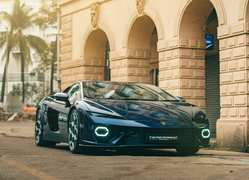
The Evolution of the “World’s Fastest Road Car”
We have moved past the era where a manufacturer simply drops a massive engine into a chassis. Today’s top speed contenders are triumphs of computational fluid dynamics and high-voltage battery architecture. The integration of electric motors—which provide instant torque—with traditional internal combustion has transformed the “fastest car” leaderboard.
If you are looking at these machines as potential additions to a private collection or as a barometer for automotive innovation, it is critical to distinguish between a “track toy” and a legitimate, record-breaking production vehicle.
The 2026 Top 20: Engineering Limits Tested
Yangwang U9 Xtreme (308 mph) – The disruptor. With 2,978bhp and a 1,200V architecture, it proves that the old guard’s dominance is under siege by nimble, high-tech EV manufacturers.
Koenigsegg Jesko Absolut (Targeted 310 mph) – A masterclass in drag reduction.
Bugatti Chiron Super Sport 300+ (304.8 mph) – The standard-bearer for the combustion era.
SSC Tuatara (282.9 mph) – Resilience personified after overcoming early skepticism.
Bugatti Mistral (282.05 mph) – Proof that open-top driving doesn’t have to sacrifice extreme velocity.
Koenigsegg Agera RS (277.87 mph) – A legendary benchmark for public road runs.
Bugatti Tourbillon (277 mph est.) – The next chapter of W16 legacy evolving into hybrid V16 power.
Hennessey Venom F5 (271.6 mph) – American-made muscle with a focus on raw power-to-weight.
Bugatti Veyron Super Sport (268 mph) – The car that made the impossible look routine.
Rimac Nevera R (268 mph) – The current king of EV acceleration.
(The list continues with icons like the McLaren Speedtail and the underrated Ultima RS.)
What This Means for You: The Financial Reality
When analyzing the “world’s fastest road cars,” most observers see specs. As a financial strategist in the automotive space, I see risk and opportunity. Owning a vehicle that sits atop this list is not like owning a standard luxury sedan; it is a specialized investment.
Should You Buy, Wait, or Invest?

If you are considering a purchase in the $1M–$5M range, you must weigh the “halo effect.” Cars like the Bugatti Chiron are historically stable assets because of their brand prestige and historical significance. Conversely, “niche” hypercars from newer, unproven manufacturers can face steep depreciation if the company fails to provide long-term service support or parts.
Best Financial Strategies Right Now (2026):
Prioritize Heritage: If you are buying for asset appreciation, look toward limited production runs from established marques (Bugatti, Koenigsegg).
Consider Financing Costs: Do not let the allure of performance blind you to the total cost of ownership. High-performance home loans or specialized asset-backed refinancing are often used by collectors to free up capital without liquidating other investments.
Insurance Reality Check: Insuring a 300mph-capable car is not a standard transaction. Premiums are tied to parts availability and the “rarity factor.” Always get a binding quote before finalizing a purchase.
Mistakes to Avoid That Could Cost You Money
In my ten years of consulting for high-net-worth automotive enthusiasts, I’ve seen buyers lose hundreds of thousands of dollars due to avoidable errors:
Ignoring Maintenance Cycles: Hypercars require specialized technician labor. A missed service window can void a warranty or slash the resale value by 15-20% immediately.
Buying “Hype” over Engineering: Never purchase based on a manufacturer’s projected top speed. Always wait for independent verification. Buying into a prototype that fails to reach its marketing claims is a classic trap.
Underestimating Tax Implications: If you are buying these as an real estate investment or business asset, the tax treatment differs wildly from a personal consumer vehicle. Consult a tax expert before signing.
Cost Breakdown: The True Price of Speed
The sticker price (e.g., $3.5 million for a Tourbillon) is only the entry fee. Here is the hidden cost structure:
Initial Pricing: Base MSRP is often a “starting point.” Customizations can add $500k+.
Annual Upkeep: Expect to pay $30,000–$50,000 annually just for storage, insurance, and routine mechanical checks.
Tire/Component Consumption: At speeds exceeding 250mph, tires are replaced every few runs. A set of bespoke tires for these vehicles can cost as much as a mid-range family sedan.
Final Expert Insight
If you are looking to enter the hypercar market, I suggest a comparison strategy. Compare the best options for liquidity—cars with high demand and low supply—against those that are purely for personal enjoyment. If you aren’t ready to drop seven figures, exploring high-end supercar clubs or fractional ownership can provide the experience without the immense financial burden of direct ownership.
Are you prepared to navigate the complexities of the hypercar market, or are you looking for the best financing routes to secure your dream vehicle? Compare your options for specialized vehicle financing or reach out for a consultation on asset-backed lending to take the next step in your collection journey today.