

The Evolution of the Porsche 911 GT3 RS: Engineering Perfection and the 992.2 Horizon
Since the inception of the 996-generation GT3 back in 1999, Porsche has occupied a singular, obsessive space in the automotive world. When the original GT3 arrived, it was lauded as the ultimate track-ready machine—a homologated hero for the street. Yet, the engineers in Stuttgart have never been satisfied with “ultimate.” They possess a relentless drive for mechanical refinement, which led to the creation of the RS badge. Over the last twenty-five years, the Porsche 911 GT3 RS has evolved from a lightweight special into a sophisticated, aerodynamic masterpiece that blurs the lines between a road-going sports car and a professional-grade racing prototype.
As someone who has spent a decade analyzing high-performance vehicle dynamics, I can tell you that the Porsche 911 GT3 RS is not merely a car; it is a case study in aerodynamic efficiency and chassis balance. The current 992.1 generation set a benchmark that few manufacturers dared to approach, utilizing a carbon fiber bonnet with “nostril” extractors, an F1-inspired Drag Reduction System (DRS), and a naturally aspirated 4.0L flat-six producing 525 horsepower. With 860kg of downforce at 177mph and a Nürburgring lap time of 6:44.85, it stands as the pinnacle of internal combustion performance.
The 992.2 Development Phase: Refining the Icon
With the automotive industry pivoting toward electrification, enthusiasts have watched the development of the 992.2 Porsche 911 GT3 RS with bated breath. Recent testing at the Nürburgring indicates that Porsche is taking a “steady-as-she-goes” approach to this mid-cycle update. Visually, the camouflaged prototypes mirror the outgoing 992.1, retaining the aggressive swan-neck rear wing and the complex underbody aero flaps.
However, the devil is in the details. Subtle revisions to the rear diffuser and integrated intakes around the exhaust suggest a continued push for thermal management and drag optimization. While the broader 992.2 lineup has integrated turn signals into the headlight housing, the prototype Porsche 911 GT3 RS retains its lower-mounted lighting, a testament to the fact that this bodywork is shaped by air rather than design trends.
Debunking the Hybrid Rumors: The Purity of the Flat-Six
A recurring topic in performance automotive circles is whether the next Porsche 911 GT3 RS will adopt the 3.6L twin-turbo hybrid powertrain now found in other 911 variants. From an industry expert’s perspective, I believe this is highly improbable. While the hybrid setup offers immense torque, it carries a weight penalty—a cardinal sin for the RS philosophy.
The spirit of the Porsche 911 GT3 RS is rooted in the telepathic connection between the driver and the road. This requires the linear, high-revving response of a naturally aspirated flat-six. Adding heavy battery modules and complex cooling systems would dilute the raw, analog experience that buyers of the Porsche 911 GT3 RS demand. If Porsche intends to break straight-line acceleration records, they have the GT2 RS for that. The GT3 RS, conversely, is built for the art of the lap time, where lightness and engine response remain the gold standard.
Competitive Landscape and Investment Value
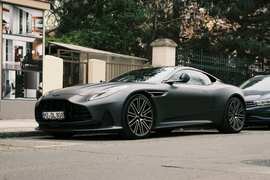
The arrival of track-focused rivals, such as the latest Mercedes-AMG GT variants, has certainly turned up the heat. High-performance luxury vehicles are currently seeing intense market interest, making the Porsche 911 GT3 RS a premier choice for collectors and driving enthusiasts alike. When considering luxury car investment or high-performance vehicle depreciation curves, the RS badge consistently holds its value better than almost any other marque.
Owning a Porsche 911 GT3 RS is an investment in mechanical legacy. As we approach the potential “swansong” of the pure, naturally aspirated flat-six, demand is expected to skyrocket. These machines offer a unique high-CPC automotive opportunity for dealers and collectors who understand that, in an increasingly digital world, the visceral roar of a 9,000-RPM flat-six is a finite commodity.
The Future of Track-Focused Performance
The upcoming 992.2 update to the Porsche 911 GT3 RS will likely focus on refining the suspension geometry and further optimizing the existing aero package. For those seeking the ultimate track weapon, the Porsche 911 GT3 RS remains the benchmark against which all others are measured. It captures the essence of 2025 automotive technology: a perfect marriage of computational aerodynamics and mechanical soul.
Whether you are looking to dominate local club track days or add a significant piece of automotive history to your garage, the Porsche 911 GT3 RS remains the undisputed king of its class. The engineering fidelity, the iconic silhouette, and the unmatched track capability ensure that its value—both on the tarmac and in the collector market—will endure for decades to come.
As the final testing phase of the 992.2 generation concludes, the window to secure your place in this legacy is narrowing. Don’t wait for the official press release to decide; contact your local Porsche dealer or high-end performance specialist today to discuss allocation opportunities and secure your piece of automotive history. Your next lap time is waiting.