
The Porsche 911 GT3 RS Legacy: Why the Naturally Aspirated Engine Remains King
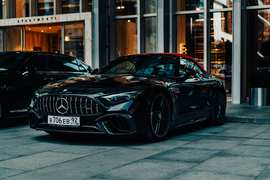
In the world of high-performance automotive engineering, few nameplates carry the same gravitas as the Porsche 911 GT3 RS. Since the introduction of the 996.1 GT3 in 1999, Porsche has occupied a unique space in the industry, effectively bridging the gap between road-legal grand tourers and full-blown circuit warriors. While the base GT3 established the blueprint for a track-hardened 911, the “RS” moniker—standing for RennSport—signifies something more profound. It represents a commitment to lightweight engineering, aerodynamic perfection, and, most importantly, the purity of a naturally aspirated powertrain.
As we look toward the imminent arrival of the 992.2 iteration, the Porsche 911 GT3 RS remains the benchmark by which all other track-focused sports cars are measured. After a decade of analyzing automotive trends and spending countless hours in the driver’s seat of Stuttgart’s finest machines, I believe we are approaching a critical juncture in the history of the combustion engine.
The Evolution of Downforce and Engineering Mastery
The current 992.1 GT3 RS is not merely a car; it is a masterclass in motorsport-derived physics. With its active aero features, including a hydraulically adjustable front splitter and a Formula 1-inspired Drag Reduction System (DRS) on the swan-neck rear wing, it generates a staggering 860kg of downforce at 177mph. This level of performance allows the vehicle to carve through corners with a level of precision that makes traditional supercars feel imprecise.
Under the rear decklid sits the heart of the machine: a 4.0L naturally aspirated flat-6 engine producing 525 horsepower. This powerplant is the antithesis of the modern trend toward forced induction and hybrid-electric powertrains. It is a linear, high-revving masterpiece that demands driver engagement, rewarding technical proficiency with an aural experience that is becoming increasingly rare. When you look at the track record of 6:44.85 at the Nürburgring, you aren’t just looking at a time; you are looking at the culmination of twenty years of refining the mechanical sports car experience.
Anticipating the 992.2: The Final Naturally Aspirated Frontier
Recent spy shots of the 992.2 GT3 RS prototype undergoing rigorous testing at the Nürburgring provide us with a glimpse into the future. Despite the heavy camouflage, the design language remains unmistakably aggressive. We see the return of the prominent “nostril” vents on the front bonnet, optimized to feed the central radiator, and the signature swan-neck wing remains a focal point of its silhouette.
There has been significant speculation regarding whether Porsche will pivot to a 3.6L twin-turbo hybrid flat-6 setup for the 992.2 generation. While Porsche has integrated hybrid technology elsewhere in the 992.2 lineup, I remain skeptical that the GT3 RS will follow suit. Integrating hybrid components adds significant weight, and in the world of the RS, weight is the ultimate enemy. A Porsche 911 GT3 RS is designed to be a driver’s tool—a machine built to excel at high-speed cornering and sustained track performance. Adding batteries and electric motors, while potentially boosting horsepower, would fundamentally alter the weight balance and the organic, mechanical character that defines this legendary platform.
High-Performance Competition and Market Positioning
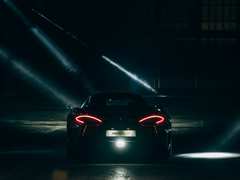
The automotive market is currently witnessing an influx of track-specialized weaponry. Rivals such as the latest Mercedes-AMG GT models are pushing the boundaries of what is possible with twin-turbocharged engines. These cars are undeniably fast, utilizing sophisticated electronic assistance and massive torque curves to achieve blistering acceleration. However, the Porsche 911 GT3 RS occupies a different philosophical lane.
While competitors chase headlines with 0-60 times and maximum horsepower figures, the Porsche 911 GT3 RS focuses on the feedback loop between the road and the driver. The purchase of an RS is often viewed as an investment in automotive history, given the high resale value and the exclusivity of the build. For those looking to secure a piece of engineering history, the upcoming 992.2 variant may indeed represent the swan song for the naturally aspirated flat-6. If you are considering a new or pre-owned investment-grade sports car, the GT3 RS remains the gold standard for long-term appreciation and sheer mechanical theater.
Why the 911 GT3 RS Remains Unrivaled
Why has this platform endured for two decades? It comes down to trust. When you pilot a Porsche 911 GT3 RS, you are operating a machine that has been developed by engineers who understand that racing is not just about power, but about efficiency, braking performance, and chassis balance. The inclusion of dynamic engine mounts and race-derived suspension ensures that the car remains planted even under the most grueling conditions.
The 992.2 promises subtle refinements to the rear diffuser and intake geometry, signaling an iterative approach rather than a total redesign. This consistency is exactly what the loyal customer base demands. They do not want a hybrid-heavy GT3 RS; they want the final evolution of the naturally aspirated era. They want the visceral, unfiltered connection that only a high-revving, flat-6 engine can provide.
The Future of the Track-Focused Sports Car
As we move into 2025, the automotive industry is shifting rapidly. Tightening emissions regulations and the push for electrification mean that the naturally aspirated flat-6, as we know it, is fighting a losing battle against time. This reality makes the 992.2 Porsche 911 GT3 RS one of the most anticipated releases in the history of the brand.
Whether you are a seasoned collector or a track-day enthusiast, the GT3 RS offers an experience that digital systems and electric torque cannot replicate. It represents the pinnacle of internal combustion refinement. If this is indeed the final naturally aspirated chapter for the RS, it will leave the stage having cemented its status as the most iconic sports car of the 21st century.
Are you prepared to own the final iteration of this legendary naturally aspirated powerhouse? The window to secure your allocation is closing as the official debut nears. Contact your local Porsche Center today to discuss your configuration, join the waitlist, and ensure you are positioned to own a definitive piece of motorsport heritage before the era of the pure flat-6 concludes.