
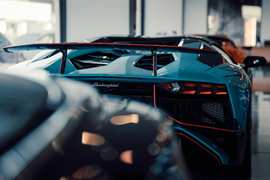
Ferrari 296 GTB Review: The Benchmark Lamborghini’s Temerario Must Surpass
In the high-stakes world of Maranello engineering, transition is rarely a gentle affair. When the Ferrari 296 GTB first hit the pavement, it signaled a seismic shift: the departure from the celebrated V8 in favor of a compact, 120-degree twin-turbo V6 augmented by hybrid electricity. Now, halfway through the decade, the 296 GTB stands as the reigning titan of the segment, serving as the ultimate measuring stick for the highly anticipated Lamborghini Temerario.
With over 10 years of experience testing the world’s most potent supercars, I have watched performance metrics climb to absurd levels. Yet, the 296 GTB is not merely about raw output; it is about the cohesive marriage of digital sophistication and analog soul. As we look toward the next generation of hybrid performance, the Ferrari 296 GTB remains the car that redefined the rules of the game.
The Engineering Philosophy: More Than Just Numbers
The heart of this machine is an all-new 2992cc V6 engine. By opting for a 120-degree configuration, Ferrari effectively lowered the center of gravity, allowing for a “hot-vee” turbo layout that optimizes thermal efficiency and packaging. On its own, the V6 produces 654bhp. When you introduce the electric motor—good for an additional 165bhp—you arrive at a combined 819bhp.
While competitors chase headlines with 900bhp-plus claims, the 296 GTB focuses on power-to-weight efficacy. By shaving 30kg compared to its V8 predecessors and integrating the battery behind the seats, Ferrari has achieved a chassis that feels remarkably light on its feet. It is a plug-in hybrid that doesn’t just offer 15 miles of electric silence for city cruising; it utilizes that battery to bridge the torque gaps inherent in traditional combustion, creating a linear, relentless surge of power that is as addictive as it is precise.
Dynamics and the “6w-CDS” Revolution
If you are looking for the “secret sauce” in this Ferrari 296 GTB review, it lies in the chassis control. Ferrari has implemented a proprietary six-axis sensor—the 6w-CDS. This system replaces conventional yaw sensors by monitoring acceleration and rotational velocity across all three planes.
When you push this high-performance supercar into a corner, the car isn’t just reacting to your steering inputs; it is predicting grip levels at every contact patch. This integrates seamlessly with the ABS-evo system, which allows for aggressive trail-braking that was previously impossible in road-legal machines. Whether you are navigating a tight mountain pass or taking a track day at a premier circuit, the handling is telepathic.
Aerodynamics: The Virtual Screen Effect
Ferrari has pivoted its aerodynamic strategy. Rather than purely focusing on drag reduction, the 296 GTB generates 360kg of downforce at 155mph. The clever use of active aero, specifically the rear wing that deploys to balance the car, creates a “virtual” rear screen effect, channeling air effectively without the need for garish, fixed spoilers. The result is a silhouette that pays homage to the 250LM, managing to look timeless while performing at the absolute edge of physics.
The Assetto Fiorano Experience
For those who demand track-ready precision, the Assetto Fiorano pack is a mandatory consideration. By utilizing Multimatic dampers—the same type used in GT racing—the car gains a level of composure that feels transformative. The inclusion of carbon fiber weight-saving components and optional Michelin Pilot Sport Cup 2 R tires turns the 296 GTB into a scalpel. If you are a serious collector or a track enthusiast, this is the configuration that makes the most sense.
Real-World Usability vs. Track Intensity
The beauty of the Ferrari 296 GTB is its duality. In Hybrid mode, it is a refined grand tourer that glides through urban environments with an unexpected tranquility. However, engage “Qualifying” mode, and the transformation is stark. Acceleration is brutal, pinning you into the bucket seats with a force that verges on the uncomfortable.
However, no machine is without flaws. The interior, heavily borrowed from the SF90, relies on a haptic, digital interface that can be frustrating. Fiddling with touch-sensitive buttons on the steering wheel while cornering at speed is a chore, and the system can occasionally be unresponsive. Yet, once you are mid-corner, sensing the perfect balance of the chassis, these minor ergonomic quibbles vanish.
Why Lamborghini Temerario Has a Tough Road Ahead
As the industry prepares for the Lamborghini Temerario, the comparison is unavoidable. Lamborghini’s upcoming 900bhp+ hybrid will undoubtedly offer staggering acceleration, but it must overcome the “organic” feel that Ferrari has mastered here. Achieving high output is relatively straightforward; achieving a seamless, natural connection between the driver, the road, and the electric powertrain is the true test of expertise.
The Ferrari 296 GTB is not just a car; it is a statement that the internal combustion engine, when supported by cutting-edge electrification, still has a long life ahead of it. It remains the best sports car to beat in 2025, providing a template for how a manufacturer can retain its heritage while embracing the future.
Final Verdict: Is it Worth the Investment?
With a price tag hovering comfortably above £250,000, the 296 GTB is a significant commitment. Yet, it represents a unique juncture in automotive history—a car that manages to be both technically intimidating and emotionally rewarding. If you are considering entering the world of high-end hybrid supercars, the Ferrari 296 GTB is the gold standard.
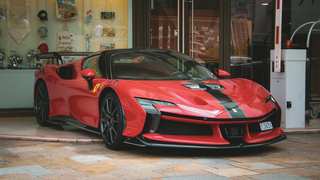
Are you ready to experience the next evolution of driving? Visit your local authorized Ferrari dealer today to schedule a private viewing and discover why the 296 GTB is currently the most compelling machine to carry the Prancing Horse emblem. Don’t settle for the ordinary; secure your seat in the future of performance today.