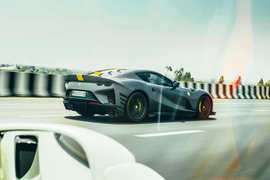

Ferrari 296 GTB Review: The Benchmark Lamborghini’s Temerario Must Surpass
In the high-stakes world of Maranello engineering, stagnation is the enemy. When the Ferrari 296 GTB burst onto the scene in 2022, it didn’t just introduce a new powertrain; it effectively redefined the emotional and technical bandwidth of the mid-engine supercar. Now, as we look toward the mid-2020s, the 296 GTB stands as the definitive yardstick against which the upcoming Lamborghini Temerario must be measured. Having spent a decade evaluating the world’s most potent performance machines, I can confidently state that the Ferrari 296 GTB remains a masterclass in hybrid integration, proving that electrification isn’t the death of soul—it’s an amplifier.
The Hybrid Paradigm Shift
For decades, the naturally aspirated V8 or V10 engine was the heart of the supercar experience. Yet, Ferrari pivoted with audacity, replacing its iconic twin-turbo V8 with an all-new 120-degree twin-turbo V6. This architecture isn’t just about downsizing; it is a tactical choice. By utilizing a “hot-vee” configuration, Ferrari minimized the footprint and inertia of the turbochargers, creating a power plant that feels as responsive as a naturally aspirated unit but delivers the relentless torque of a modern electric-assisted setup.
The Ferrari 296 GTB utilizes this 2.9-liter V6 alongside a rear-mounted electric motor, culminating in a combined output of 819bhp. Unlike the all-wheel-drive SF90, the 296 GTB directs its fury exclusively to the rear wheels. This creates a raw, visceral connection between the driver and the road, keeping the vehicle lighter and more agile. It’s an exercise in purity that serves as a direct challenge to the upcoming Lamborghini Temerario, which promises a screaming 10,000rpm V8 hybrid powertrain. While Lamborghini chases higher revs and horsepower figures, Ferrari has focused on the nuance of the supercar driving experience.
Precision Engineering and Dynamic Mastery
The secret sauce of the Ferrari 296 GTB lies in its “6w-CDS” sensor suite. This six-axis sensor technology represents a massive leap in chassis management, allowing the car to calculate grip levels in real-time across all planes of motion. When you push the car into a corner, the Side Slip Control and active E-Diff don’t just clamp down; they harmonize.
For buyers considering the high-performance luxury vehicle segment, the difference between a good car and a great one is how the technology stays invisible. In the 296, the ABS-evo system—honed via brake-by-wire—allows for deeper, more confident trail-braking. It is arguably the best-handling mid-engine platform Ferrari has ever produced, offering a level of confidence that is often lacking in the volatile, high-horsepower world of modern supercars.
Aerodynamics and the Assetto Fiorano Advantage
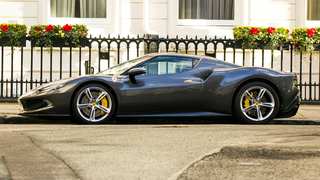
Ferrari has pivoted its aerodynamic philosophy, moving away from drag reduction toward genuine, usable downforce. At 155mph, the Ferrari 296 GTB generates an impressive 360kg of downforce. The integration of a rear wing that deploys from the bodywork is a masterstroke of design, maintaining the car’s clean, 250LM-inspired silhouette while providing the grip necessary for track dominance.
For those seeking the ultimate luxury sports car edge, the Assetto Fiorano pack is non-negotiable. By swapping out standard dampers for Multimatic units—derived from GT racing—and adding carbon fiber aerodynamic appendages, the car becomes a different animal. The 12kg weight reduction might seem modest on paper, but when combined with the available Michelin Pilot Sport Cup 2 R tires, it transforms the 296 into an apex-hunting machine that rivals far more expensive track-focused specials.
Interior Ergonomics and Tech Hurdles
If there is a chink in the armor, it remains the cabin interface. Borrowing heavily from the SF90, the 296 GTB’s haptic-heavy steering wheel and dashboard are undeniably complex. In an era where drivers crave tactile, physical buttons, the Ferrari’s reliance on capacitive touch can feel like a step toward unnecessary digital clutter. While the aesthetic is futuristic and minimalist, the reality is that adjusting drive modes or climate settings while cornering at speed can feel like a game of digital Russian roulette.
The Duel: Ferrari vs. Lamborghini
The Ferrari 296 GTB currently sits at the top of the food chain, but the automotive industry never sleeps. The Lamborghini Temerario is arriving with a 903bhp target, aiming to dethrone the 296 in both raw drama and output. However, speed is not synonymous with engagement. The Ferrari succeeds because it is “exploitable.” It communicates its limits with transparency, allowing the driver to revel in the surge of torque rather than constantly fighting against the car’s electronics.
When assessing a luxury vehicle investment or a dream garage addition, one must look at the total package. The 296 GTB is comfortable enough for a weekend cruise to the coast—with its surprisingly usable “frunk” and compliant suspension—yet it possesses a track-readiness that is genuinely world-class.
Why the 296 GTB Remains the One to Beat
As we witness the inevitable transition toward electrification, the Ferrari 296 GTB stands as the ultimate bridge between the analog soul of the past and the digital potential of the future. Whether you are looking for a high-end performance car to dominate your local track or a masterpiece of Italian design to display, the 296 delivers.
If you are currently evaluating your next luxury vehicle acquisition and want to understand how the 296 GTB performs compared to the latest releases, I invite you to contact your local authorized Ferrari dealer today. Experience the synergy of the hybrid V6 for yourself; once you feel that instant, lag-free acceleration and the intuitive balance of the chassis, the question of whether this is the best supercar on the market will be answered. Don’t just take my word for it—schedule a test drive and discover why the 296 GTB remains the benchmark of the era.