
The Evolution of Precision: Why the Porsche 911 GT3 RS Remains the Gold Standard for Track Performance
When Porsche introduced the 996-generation GT3 back in 1999, the automotive world thought we had reached the pinnacle of the water-cooled 911. It was lean, mean, and homologated for the circuit. But for the engineers in Weissach, “good enough” is a foreign concept. They saw untapped potential in the chassis, leading to the birth of the “RennSport” philosophy. By stripping more weight, optimizing airflow, and sharpening the engine’s edge, the original Porsche 911 GT3 RS was born—a car that turned the already formidable GT3 into something that felt almost pedestrian by comparison.
Fast forward over two decades, and the Porsche 911 GT3 RS has transcended its status as a mere sports car to become a global icon of mechanical purity. As we move through 2025 and look toward the upcoming 992.2 refresh, the stakes for luxury performance car insurance, collector residual values, and track-day dominance have never been higher. Having spent a decade analyzing the nuances of Porsche’s GT division, it’s clear that the GT3 RS isn’t just about speed; it’s about the surgical application of physics.
The Engineering Masterclass: Anatomy of the 992.1 GT3 RS
To understand where we are going with the 992.2, we must respect the monumental achievement of the current 992.1 Porsche 911 GT3 RS. This isn’t just a car with a big wing; it is a cohesive aerodynamic ecosystem.
Aerodynamics and Downforce
The 992.1 iteration moved the needle so far that it began encroaching on GT3 R race car territory. The most striking feature is the central radiator concept—a design choice borrowed directly from the Le Mans-winning 911 RSR. By replacing the three-radiator setup found in previous models with one large, angled unit in the nose, Porsche freed up space for active aerodynamic elements.
Active Aero: The front splitter and underbody flaps work in tandem with the massive swan-neck rear wing.
DRS (Drag Reduction System): In a first for a production Porsche, a cockpit-controlled (and automated) DRS system flattens the rear wing element to reduce drag on straights, much like a Formula 1 car.
The Numbers: At 177 mph, the car generates a staggering 860kg of downforce. That is twice the amount of its predecessor, the 991.2, and three times that of a standard GT3.
The Heartbeat: The 4.0L Naturally Aspirated Flat-6
In an era of electrification and turbocharging, the Porsche 911 GT3 RS remains a sanctuary for the naturally aspirated engine. The 4.0-liter boxer unit produces 525 horsepower, screaming to a 9,000 RPM redline. It’s a high-revving masterpiece that delivers instantaneous throttle response—a critical factor for drivers looking to balance a car on the limit through high-speed corners like the Pflanzgarten at the Nürburgring.
Spied: The 992.2 Porsche 911 GT3 RS Enters Final Testing
The automotive world is currently buzzing with the latest sightings of the 992.2 Porsche 911 GT3 RS undergoing rigorous testing at the Nürburgring Nordschleife. For those looking at exotic car financing or planning their next high-end garage addition, this mid-cycle refresh represents the ultimate refinement of the 992 platform.
Subtle Aesthetic Shifts, Massive Functional Gains
True to Porsche’s evolutionary design language, the 992.2 test mules appear strikingly similar to the outgoing model, but the devil is in the details. The camouflaged prototypes reveal:
Revised Rear Lighting: While the standard 992.2 Carrera has moved turn signals into the main headlight clusters, the GT3 RS prototypes appear to retain lower bumper-mounted lights, likely to accommodate specialized cooling ducts.
Aero Refinements: Small tweaks to the rear diffuser and side intakes suggest Porsche has found even more ways to smooth out the “dirty” air exiting the rear of the car.
Cockpit Upgrades: Expect the integration of the new fully digital instrument cluster seen in the 2025 Carrera, though Porsche will likely retain a dedicated, high-visibility analog-style tachometer in the center to satisfy purists.
The Hybrid Debate: Will the GT3 RS Go Electric?
One of the hottest topics in the high-end automotive market is whether the Porsche 911 GT3 RS will adopt the T-Hybrid system recently debuted in the 992.2 GTS. That system utilizes a 3.6-liter engine paired with an electric exhaust gas turbocharger and a permanent magnet synchronous motor.
The Weight Penalty
As an expert who has watched Porsche navigate emissions regulations for years, I firmly believe the 992.2 GT3 RS will eschew the hybrid powertrain. The primary enemy of any RS model is weight. While the hybrid system offers immense torque and “high-CPC” performance metrics on paper, the added mass of the battery and motors contradicts the lightweight “RennSport” ethos.
Preserving the “Swansong”

There is a high probability that the 992.2 will be the final pure, naturally aspirated Porsche 911 GT3 RS ever produced. With the upcoming GT2 RS expected to take the mantle as the hybridized, “record-breaking” powerhouse, the GT3 RS is free to remain a driver-centric, mechanical marvel. Porsche knows that its core clientele values the 9,000 RPM wail of the 4.0L flat-6 over the clinical efficiency of a hybrid setup.
Market Positioning and Competition
The landscape for performance vehicle investment has shifted. Buyers are no longer just looking for the fastest lap time; they are looking for “analog” experiences that won’t be replicated in the future.
Porsche vs. Mercedes-AMG
Mercedes has recently been spotted testing a hardcore “Black Series” successor or a track-focused AMG GT variant. While the AMG GT is a powerhouse of front-engine V8 grunt, it struggles to match the rear-engine traction and specialized weight distribution of the Porsche 911 GT3 RS. For the serious track enthusiast, the Porsche remains the more “pure” tool, holding its value exceptionally well in the secondary market.
Valuation and Scarcity
If you are looking for high-performance car loans or considering the GT3 RS as a tangible asset, the 992.2 is poised to be one of the most sought-after iterations in history. As the “last of its kind,” demand is expected to far outstrip supply, potentially leading to significant dealer markups and high resale premiums.
Why the GT3 RS Defines the Modern Era of Racing
The brilliance of the Porsche 911 GT3 RS lies in its accessibility. Despite its intimidating aero and race-ready specs, Porsche’s electronics—specifically the multi-stage traction control and adjustable suspension damping—allow a driver to “grow” into the car. You can dial in the compression and rebound of the dampers directly from the steering wheel, a level of control previously reserved for professional race teams with laptop-toting engineers.
Performance Statistics at a Glance:
0-60 mph: 3.0 – 3.2 seconds (estimated for 992.2)
Top Speed: 184 mph (limited by high-drag aero)
Nürburgring Lap Time: Aiming to shave seconds off the 6:44.85 set by the 992.1.
Engine: 4.0L Naturally Aspirated Boxer-6.
Final Thoughts: The Ultimate Expression of the 911
The Porsche 911 GT3 RS is more than just a car; it is a statement of intent. It proves that in a world of digital simulations and forced induction, there is still a place for raw, mechanical feedback and aerodynamic mastery. Whether you are a collector looking for the next “blue chip” automotive investment or a track rat looking to shave tenths off your personal best at Spa-Francorchamps, the 992.2 GT3 RS promises to be the definitive exclamation point on the internal combustion era.
As we await the official debut, one thing is certain: the roar of that 4.0L flat-6 is a sound that will echo through the halls of automotive history for decades to come.
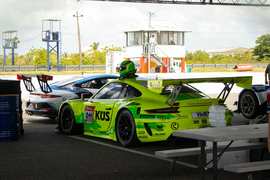
Ready to secure your place in the driver’s seat of the world’s most precise track machine? Contact your local Porsche Premier Dealer today to inquire about allocation availability and customize your 992.2 build to your exact specifications.