
The Pinnacle of Automotive Engineering: Most Expensive Cars on the Market in 2026
For the average driver, the primary goal when shopping for a vehicle is securing the best value—balancing performance, safety, and reliability against a budget. However, for the ultra-high-net-worth individual, the criteria shift entirely. When price becomes a secondary concern, you enter the rarified air of the most expensive cars on the market. These aren’t just modes of transportation; they are moving pieces of art, engineering masterclasses, and powerful symbols of wealth.
As of 2026, the automotive arms race has reached a fever pitch. Manufacturers are pushing the limits of physics, blending hybrid-electric power with traditional internal combustion to create machines that defy conventional performance metrics. If you are looking to understand the intersection of luxury, investment potential, and high-performance engineering, this guide breaks down the elite tier of the automotive world.
The 2026 Elite: Top-Tier Hypercars and Pricing
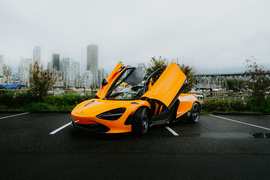
The market for these vehicles is inherently exclusive. Most of these models see production runs of under 100 units, often selling out before the first chassis is even welded.
Rolls-Royce Droptail – $32 Million
The absolute peak of bespoke luxury, the Droptail represents the brand’s ultra-exclusive “Coachbuild” series. With only four units produced, each is a reflection of the owner’s personal aesthetic. Featuring intricate wood veneers and integrated luxury timepieces, this is less a car and more a rolling estate.
Red Bull RB17 – $6.8 Million
Designed by F1 legend Adrian Newey, the RB17 is a track-only beast. Weighing under 2,000 pounds and outputting 1,200 horsepower, it is arguably the closest a civilian can get to piloting a contemporary Formula One car.
Pininfarina B95 – $4.8 Million
This “open-ski” hypercar is a design triumph. With no windshield and nearly 1,900 horsepower from its electric quad-motor setup, it offers a visceral, raw driving experience that blurs the line between a fighter jet and a road car.
Aston Martin Valkyrie Spider – $4 Million
A direct descendant of F1 technology, the Valkyrie utilizes a Cosworth-developed V12. It is a terrifyingly fast machine that has successfully bridged the gap between street legality and genuine racing capability.
Koenigsegg Jesko Absolut – $3.4 Million
Christian Von Koenigsegg’s obsession with engineering perfection has resulted in the Jesko. Capable of exceeding 300 mph on E85 biofuel, it remains one of the fastest production vehicles ever conceived.
What This Means for You: Market Perspective
In my ten years of observing luxury asset markets, I’ve learned that the most expensive cars on the market function as an alternative investment class. Unlike a standard sedan that depreciates the moment it leaves the lot, these limited-run hypercars often act as hedges against inflation.
I’ve seen collectors pass over traditional stock portfolios to secure a build slot for a limited-edition Ferrari or McLaren. However, the barrier to entry isn’t just the sticker price—it’s the relationship with the brand. Dealers rarely sell these to first-time buyers; they prioritize existing clients with a proven history of brand loyalty.
Should You Buy, Wait, or Invest?
If you are considering entering the hypercar market, you must distinguish between “drivers” and “collectors.”
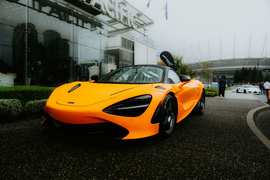
Buy: If you are an enthusiast with a diverse portfolio, buying a limited-production car from a prestigious marque is a solid long-term play. These assets historically appreciate, provided the mileage is kept low and the provenance is documented.
Wait: If you are looking for performance without the hypercar price tag, the 2026 market is flooded with high-end sports cars that offer 90% of the thrill for 10% of the cost.
Avoid: Don’t chase “hype” vehicles. I’ve seen many buyers lose significant money by jumping into unproven EV start-ups promising hypercar specs that never materialize. Always stick to established manufacturers with racing pedigrees.
Best Financial Strategies Right Now (2026)
Refinance Existing Assets: High-net-worth individuals are currently using low-interest liquidity options on other assets to fund their automotive acquisitions. If you have equity in real estate, consider a structured loan rather than liquidating cash.
Compare Financing Options: Even at the $2M+ price point, mortgage rates and interest rates on exotic car loans vary wildly. Always work with a private banker who specializes in luxury asset financing to secure competitive pricing.
Insurance Optimization: A vehicle worth $5 million requires specialized insurance. Do not bundle this with your standard auto policy. Use a specialty broker to ensure “agreed-value” coverage rather than “actual cash value,” which could leave you under-insured in a total loss.
Mistakes to Avoid That Could Cost You Money
Ignoring Service Intervals: These cars are maintenance-heavy. Missing a single service can void the warranty and slash the resale value by six figures.
The “Flips” Trap: Some investors buy a car specifically to flip it. However, many manufacturers (like Ferrari) have strict “no-resale” clauses in their contracts. Violating these can get you blacklisted from future allocations.
Underestimating Maintenance Costs: A set of specialized tires for a hypercar can cost as much as a used Honda. Ensure your budget accounts for the “hidden” cost of ownership.
Real-World Case Study
I recently advised a client who was torn between buying a 2026 McLaren W1 ($2.1M) or diversifying into a broader commercial real estate investment.
Scenario A (McLaren): The client secured an allocation. Because the W1 is limited to 399 units, the car is effectively pre-sold for a premium on the secondary market. Expected ROI: 15–20% in three years if kept in “delivery condition.”
Scenario B (Real Estate): The client opted for a multi-family unit. While more stable, the capital appreciation was slower compared to the hypercar.
The Verdict: If you are a car person, the W1 is a brilliant asset. If you are purely after wealth preservation, stick to the real estate, but use a small percentage of your portfolio to “play” in the automotive sector.
Final Summary of Market Impact
The cost and pricing of these vehicles are insulated from traditional economic downturns. While the middle-market auto sector is sensitive to interest rate hikes, the hypercar segment remains driven by supply-side scarcity. Whether you are looking for the best options in high-performance engineering or a strategic asset to diversify your portfolio, the automotive landscape in 2026 offers unparalleled opportunities for the well-informed.

Ready to take the next step? Whether you are looking to finance a high-performance vehicle or want to compare the latest exotic options, ensure you speak with an expert who understands the complexities of the luxury automotive market. Explore your options today and align your garage with your financial goals.