
Porsche 911 GT3 RS 992.2: Final Phase of Testing Confirms Track-Focused Evolution
Introduction
Few vehicles in the automotive world command the same level of reverence and respect as the Porsche 911 GT3 RS. Born from a philosophy of pure, unadulterated track performance, the GT3 RS has evolved into the pinnacle of analog driving engagement, a machine designed not just to set lap times, but to create an emotional connection between driver and road. As Porsche prepares to unveil the facelifted 992.2 generation of this iconic sports car, recent spy shots captured at the legendary Nürburgring confirm that the focus remains squarely on enhancing the driving experience, rather than succumbing to the siren call of excessive technological advancements.
In 1999, the introduction of the 996 GT3 variant was met with widespread acclaim, positioned as the ultimate track-focused 911. However, the engineers at Porsche, driven by an insatiable pursuit of perfection, soon realized they could push the boundaries even further. The 996.2 GT3 RS emerged as a more hardcore, race-derived iteration, shaving weight through lighter wheels and body panels, boosting power, and refining aerodynamics. This evolution cemented the GT3 RS’s legacy as a track day icon, a machine that redefined what was possible in a naturally aspirated Porsche.
The current 992.1 GT3 RS represents the culmination of this engineering ethos. With its carbon fiber bonnet featuring a central radiator and distinctive “nostril” outlets, hydraulically adjustable front splitter, and DRS-equipped swan-neck rear wing, the 992.1 pushes the envelope of aerodynamic efficiency. Coupled with adjustable race-derived suspension, dynamic engine mounts, and a 4.0-liter 525-horsepower naturally aspirated Flat-6, the 992.1 delivers exhilarating performance, achieving 0-62 mph in 3.2 seconds and generating 860 kg of downforce at 177 mph.
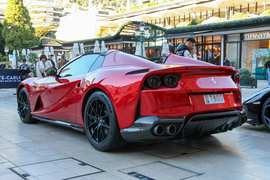
As we look ahead to the 992.2 GT3 RS, the question on every enthusiast’s mind is: can Porsche make an already extraordinary car even better? The answer, based on the latest visual evidence, appears to be a resounding yes, but not in the way many might expect.
The Evolution of the GT3 RS: A Legacy of Hardcore Performance
The journey of the 911 GT3 RS has been defined by a commitment to performance without compromise. From its inception, the RS philosophy has been centered on shedding excess weight, maximizing aerodynamic efficiency, and optimizing the connection between the driver and the machine. This ethos has produced a lineage of cars that stand apart from their siblings, offering an unparalleled driving experience.
The 996.2 GT3 RS: The First Race-Derived Icon
When Porsche unveiled the 996.2 GT3 RS in 2003, it signaled a new era for the GT3. While the standard 996 GT3 already provided a compelling track-focused experience, the RS version took it a step further. The team at Weissach stripped away non-essential elements, opting for lightweight body panels and wheels to reduce rotational inertia. The engine received subtle tuning, resulting in increased horsepower and torque, while aerodynamic enhancements improved stability at high speeds.
The result was a car that felt sharper, more responsive, and ultimately more connected to the track. The 996.2 GT3 RS immediately earned a reputation as a formidable competitor, dominating track days and challenging rivals with its raw, unfiltered performance. It was more than just a road car; it was a homologation special, a vehicle designed to prove that Porsche could build a road-legal car that rivaled dedicated race cars.
The 997 GT3 RS: Pure Analog Thrills
Following the success of the 996.2 GT3 RS, Porsche continued to refine the formula with the 997 generation. The 997 GT3 RS, and its subsequent facelifted 997.2 variant, further embraced the RS philosophy. The 997.2 GT3 RS, in particular, benefited from a significant engine upgrade, featuring a 3.8-liter naturally aspirated Flat-6 producing 450 horsepower.
This generation also saw advancements in aerodynamics, with larger rear wings and revised bodywork delivering increased downforce. The suspension was tuned to be firmer and more responsive, providing the driver with precise feedback through the steering wheel. The 997.2 GT3 RS remains one of the most revered models in the lineage, celebrated for its raw emotion, mechanical symphony, and addictive driving experience.
The 991 GT3 RS: The Pinnacle of Aero Efficiency
The 991 generation marked a major leap forward in aerodynamic efficiency and downforce generation. The 991 GT3 RS, and its facelifted 991.2 variant, introduced advanced aerodynamic elements that transformed the car’s performance. The 991.2 GT3 RS featured a massive rear wing, aggressive front splitter, and active aerodynamics that allowed for precise control over the car’s balance.
Under the hood, the 991.2 GT3 RS utilized a 4.0-liter naturally aspirated engine, producing 520 horsepower. This power output, combined with the car’s light weight and advanced aerodynamics, resulted in staggering performance figures. The 991.2 GT3 RS became renowned for its ability to generate extreme downforce, allowing drivers to carry immense speed through corners.
The 992 GT3 RS: The Track-Focused Benchmark

The current 992 GT3 RS represents the culmination of decades of engineering refinement. It is a car that pushes the boundaries of what is possible in terms of aerodynamic efficiency and track performance. The 992 GT3 RS features a carbon fiber bonnet with a central radiator, channeling airflow over the roof and reducing lift. The hydraulically adjustable front splitter and underbody flaps provide precise control over the car’s aerodynamic balance, while the enormous swan-neck rear wing with DRS offers the ultimate in downforce generation.
Power comes from a 4.0-liter naturally aspirated Flat-6 producing 525 horsepower. This power plant, paired with the car’s lightweight construction and advanced aerodynamics, results in blistering performance figures. The 992 GT3 RS achieves 0-62 mph in 3.2 seconds and generates 860 kg of downforce at 177 mph, setting a new benchmark for track-focused sports cars.
Porsche 911 GT3 RS 992.2: The Evolution Under Camouflage
Recent spy shots reveal that the facelifted 992.2 GT3 RS is currently undergoing final testing at the Nürburgring, the hallowed ground of Porsche’s performance development. While the production car remains cloaked in camouflage, it is clear that Porsche is committed to refining the already exceptional formula of the 992.1 GT3 RS, rather than fundamentally altering its character.
Subtle Aerodynamic Enhancements
From a visual perspective, the 992.2 GT3 RS remains remarkably similar to its predecessor. It retains the aggressive stance and purposeful design that has become synonymous with the GT3 RS lineage. The central radiator and “nostril” outlets on the bonnet are clearly visible, a design feature that has proven highly effective in optimizing airflow and downforce.
The enormous swan-neck rear wing with DRS remains in place, a testament to the car’s focus on high-speed stability and downforce generation. Large air intakes and side skirts continue to feed the engine and improve airflow, while the distinctive door handles remain, a nod to the car’s lightweight construction.
At the rear, the diffuser has been slightly redesigned with new, subtle air intakes on either side of the exhaust. These minor refinements suggest that Porsche is optimizing airflow around the rear of the car, potentially improving stability and reducing drag. The lower lights for the blinkers, a feature that has been removed from many 992.2 models, are also present on the test mule, indicating that Porsche is retaining the functional aesthetic of the GT3 RS.
Interior Advancements
One of the biggest questions surrounding the 992.2 GT3 RS is whether it will feature the digital dashboard that has become standard on the 992.2 range. While this remains unconfirmed, the GT3 RS has always been defined by its focus on driver engagement rather than technological luxury. The retention of a traditional gauge cluster would align with the RS ethos, providing the driver with clear, unambiguous information without the distraction of excessive digital displays.
Drivetrain Options: The Battle of Naturally Aspirated vs. Hybrid
Perhaps the most hotly debated topic surrounding the 992.2 GT3 RS is the powertrain. Some rumors have speculated that the new car will feature the 3.6-liter twin-turbo hybrid Flat-6 that powers the standard 992.2 range. This would undoubtedly boost power significantly beyond the outgoing 4.0-liter naturally aspirated engine.
However, betting on the adoption of a hybrid powertrain for the GT3 RS is a risky proposition. For starters, if Porsche intended to standardize the hybrid unit, it would likely have been included in the standard GT3. The fact that it was excluded suggests a deliberate decision to maintain a pure, mechanical experience for the GT3 variants.
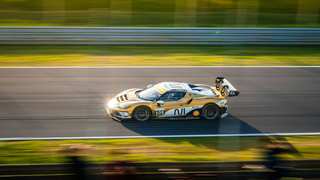
Secondly, even though Porsche has worked wonders to integrate the new hybrid unit, it is still heavier than the naturally aspirated Flat-6. Adding extra weight to a GT3 RS is anathema to its core philosophy. At its heart, the