
Ferrari 296 GTB Review (2025): Can Maranello’s Hybrid Hold Off the Lamborghini Temerario?
The automotive landscape has shifted beneath our feet. Three years ago, the idea of a V6 Ferrari serving as th
e core staple of the Maranello lineup seemed like sacrilege to the purists. Yet, here we are in 2025. The Ferrari 296 GTB has not only silenced the critics; it has rewritten the rulebook on what a modern plug-in hybrid supercar can be. But the crown is never secure for long. With the arrival of the screaming, 10,000-rpm Lamborghini Temerario, the war for mid-engine dominance has entered a ferocious new chapter.
Having spent a decade analyzing the evolution of high-performance machinery, from the raw naturally aspirated V8s of the 458 era to today’s electrified monsters, I can tell you that the 296 GTB is a watershed moment. It bridges the gap between digital performance and analog emotion in a way the SF90 Stradale struggled to achieve. But as we stare down the barrel of Lamborghini’s 903-horsepower challenger, the question remains: Does the V6 hybrid still reign supreme?
The “Piccolo V12”: Engineering Alchemy
Let’s address the elephant in the room immediately: the cylinder count. Ferrari dispensed with the award-winning twin-turbo V8 to create an all-new 3.0-liter twin-turbo V6. On paper, it sounds like downsizing. In practice, it is an engineering marvel.
The Ferrari 296 GTB utilizes a 120-degree “hot-vee” configuration, placing the turbochargers inside the V of the engine. This lowers the center of gravity and drastically improves packaging. But the real magic is the specific output. By itself, this combustion engine produces 654 horsepower—a record-breaking figure for specific output per liter for a production car upon its release.
However, this is a hybrid supercar. Sandwiched between the V6 and the eight-speed dual-clutch transmission is an electric motor derived from Formula 1 tech (MGU-K). This adds 165 horsepower and, more importantly, 232 lb-ft of instant torque. The combined output is a staggering 819 horsepower.
Why does this matter? Because turbo lag is effectively dead. The electric motor fills the torque gaps at low RPMs while the turbos spool, creating a linear, relentless surge of power that feels more like a massive naturally aspirated engine than a forced-induction hybrid. Ferrari engineers nicknamed this engine the “piccolo V12” (little V12) due to its unique firing order and acoustic frequencies. It doesn’t drone; it sings.
 Design and Aerodynamics: Function Over Form?
Visually, the Ferrari 296 GTB is a masterclass in clean, reductive design. It moves away from the aggressive, slashed-vent styling of the outgoing F8 Tributo and channels the spirit of the 1960s 250 LM. The flying buttresses, the vertical rear screen, and the muscular fenders give it a timeless elegance.
But don’t let the smooth lines fool you; this car is an aerodynamic weapon. For the first time on a mid-rear-engined Ferrari berlinetta, an active aero device is used not to reduce drag, but to generate downforce. The active rear spoiler, inspired by the LaFerrari, deploys to generate up to 220 lbs of downforce over the rear axle when braking or cornering at high speeds. In total, with the Assetto Fiorano package, the car generates nearly 800 lbs of downforce at 155 mph.
The underbody is a labyrinth of vortex generators. The “tea-tray” wing at the front manages airflow to the underbody, sucking the car to the tarmac. It is sophisticated, invisible tech that keeps the silhouette pure while ensuring the car sticks like glue.
The Driving Experience: A New Paradigm
Driving the Ferrari 296 GTB on US roads reveals a dual personality that defines the modern supercar ownership experience.
In “eDrive” mode, the car is a silent, electric commuter. You get about 15 miles of range—enough to slip out of your neighborhood in Beverly Hills or Miami Beach without waking the neighbors. It’s eerie, gliding along in a Ferrari with zero noise, but it adds a layer of usability that makes this a legitimate daily driver.
Switch the Manettino to “Hybrid” or “Performance,” and the beast wakes up. The transition between electric drive and combustion is imperceptible. The integration is flawless. Unlike early hybrids that felt disjointed, the powertrain here acts as a single, cohesive organism.
Pushing the car on a canyon road, the shorter wheelbase (2 inches shorter than the F8) becomes immediately apparent. The agility is startling. The Ferrari 296 GTB features a six-way Chassis Dynamic Sensor (6w-CDS) that feeds data to the ABS evo controller and the side-slip control system.
What does this mean for the driver? It means you can trail-brake deep into a corner with absolute confidence. The rear end rotates beautifully, aided by the electric differential, but it never feels snappy or dangerous. The steering is classic modern Ferrari: light, hyper-fast, and precise. It requires small inputs. You don’t wrestle this car; you think it into corners.
The Assetto Fiorano Package: Worth the Investment?
For buyers looking to maximize the vehicle’s potential, or perhaps those eyeing future resale value and exotic car investment opportunities, the Assetto Fiorano package is a critical option.
This package transforms the Ferrari 296 GTB from a grand tourer into a track weapon. It includes:
Multimatic GT-racing derived dampers (non-adjustable).
Carbon fiber appendages on the front bumper for extra downforce.
A Lexan rear window and extensive carbon fiber interior use to shave off 26 lbs.
Optional Michelin Pilot Sport Cup 2 R tires.
The ride is stiffer, undeniably. On broken pavement in New York or Chicago, you will feel the difference. However, on a smooth surface, the body control is absolute. If you plan to track the car, it’s essential. If this is strictly for street use, the standard MagneRide dampers offer a more compliant ride for US highways.
The Competition: Lamborghini Temerario and McLaren Artura
Design and Aerodynamics: Function Over Form?
Visually, the Ferrari 296 GTB is a masterclass in clean, reductive design. It moves away from the aggressive, slashed-vent styling of the outgoing F8 Tributo and channels the spirit of the 1960s 250 LM. The flying buttresses, the vertical rear screen, and the muscular fenders give it a timeless elegance.
But don’t let the smooth lines fool you; this car is an aerodynamic weapon. For the first time on a mid-rear-engined Ferrari berlinetta, an active aero device is used not to reduce drag, but to generate downforce. The active rear spoiler, inspired by the LaFerrari, deploys to generate up to 220 lbs of downforce over the rear axle when braking or cornering at high speeds. In total, with the Assetto Fiorano package, the car generates nearly 800 lbs of downforce at 155 mph.
The underbody is a labyrinth of vortex generators. The “tea-tray” wing at the front manages airflow to the underbody, sucking the car to the tarmac. It is sophisticated, invisible tech that keeps the silhouette pure while ensuring the car sticks like glue.
The Driving Experience: A New Paradigm
Driving the Ferrari 296 GTB on US roads reveals a dual personality that defines the modern supercar ownership experience.
In “eDrive” mode, the car is a silent, electric commuter. You get about 15 miles of range—enough to slip out of your neighborhood in Beverly Hills or Miami Beach without waking the neighbors. It’s eerie, gliding along in a Ferrari with zero noise, but it adds a layer of usability that makes this a legitimate daily driver.
Switch the Manettino to “Hybrid” or “Performance,” and the beast wakes up. The transition between electric drive and combustion is imperceptible. The integration is flawless. Unlike early hybrids that felt disjointed, the powertrain here acts as a single, cohesive organism.
Pushing the car on a canyon road, the shorter wheelbase (2 inches shorter than the F8) becomes immediately apparent. The agility is startling. The Ferrari 296 GTB features a six-way Chassis Dynamic Sensor (6w-CDS) that feeds data to the ABS evo controller and the side-slip control system.
What does this mean for the driver? It means you can trail-brake deep into a corner with absolute confidence. The rear end rotates beautifully, aided by the electric differential, but it never feels snappy or dangerous. The steering is classic modern Ferrari: light, hyper-fast, and precise. It requires small inputs. You don’t wrestle this car; you think it into corners.
The Assetto Fiorano Package: Worth the Investment?
For buyers looking to maximize the vehicle’s potential, or perhaps those eyeing future resale value and exotic car investment opportunities, the Assetto Fiorano package is a critical option.
This package transforms the Ferrari 296 GTB from a grand tourer into a track weapon. It includes:
Multimatic GT-racing derived dampers (non-adjustable).
Carbon fiber appendages on the front bumper for extra downforce.
A Lexan rear window and extensive carbon fiber interior use to shave off 26 lbs.
Optional Michelin Pilot Sport Cup 2 R tires.
The ride is stiffer, undeniably. On broken pavement in New York or Chicago, you will feel the difference. However, on a smooth surface, the body control is absolute. If you plan to track the car, it’s essential. If this is strictly for street use, the standard MagneRide dampers offer a more compliant ride for US highways.
The Competition: Lamborghini Temerario and McLaren Artura
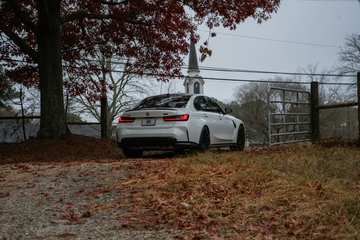 This is where the market gets interesting. The Ferrari 296 GTB ruled the roost for two years, but the challengers are here.
The Lamborghini Temerario is the direct threat. Lamborghini has ditched the V10 for a twin-turbo V8 hybrid that spins to 10,000 RPM and produces over 900 horsepower. It is louder, more aggressive, and ostensibly faster. However, it is also heavier. The Ferrari’s focus has been on “fun-to-drive” metrics rather than just raw numbers. The 296 GTB feels compact and playful, whereas the Lamborghini creates drama through sheer acoustic violence and size.
Then there is the McLaren Artura (and the combustion-only 750S). The Artura matches the Ferrari’s V6 hybrid layout but lacks the sheer frantic energy of the Ferrari’s engine. The McLaren 750S, heavily updated for 2025, remains the lightweight king, utilizing a carbon tub and hydraulic steering that offers better feedback than the Ferrari. However, it lacks the hybrid torque-fill that makes the Ferrari 296 GTB feel so punchy out of corners.
Interior and Technology: A Mixed Bag
If there is a criticism to be levied at the Ferrari 296 GTB, it is the Human Machine Interface (HMI). Ferrari has moved almost entirely to capacitive touch controls. The engine start button is now a touch panel on the steering wheel. The climate controls, the mirror adjustments—all touch.
From a user experience standpoint, it can be frustrating. Tactile feedback is crucial in a car moving this fast. Glancing down to see if you successfully tapped a sleek black panel takes eyes off the road. The digital gauge cluster is brilliant, offering sharp graphics and customization, but the loss of physical buttons is a trend many of us experts hope will reverse.
On the positive side, the cabin quality is superb. Italian leather, Alcantara, and carbon fiber are blended seamlessly. The seating position is perfect—low, centered, with excellent forward visibility thanks to the thin A-pillars and low cowl.
Ownership, Financing, and Market Value
Acquiring a Ferrari 296 GTB in the US is not as simple as walking into a dealership. Demand remains high, and waitlists are a reality. The base price hovers around $340,000, but realistically, most spec’d examples leave the showroom floor between $400,000 and $450,000.
For those looking into luxury car financing, interest rates and residuals for hybrid Ferraris have remained strong. Unlike mass-market EVs that depreciate like stones, the Ferrari badge protects the 296 GTB. Exotic car insurance premiums will be substantial, given the repair costs associated with carbon fiber and complex hybrid systems, so prospective owners should budget accordingly.
It is also worth noting that maintenance is covered for seven years under Ferrari’s Genuine Maintenance program, a massive value add that competitors like Lamborghini and McLaren do not match.
Verdict: The New Benchmark
The Ferrari 296 GTB is not just a great Ferrari; it is one of the greatest mid-engine supercars ever made. It successfully navigates the transition to electrification without losing the soul that makes a supercar desirable. The V6 engine is a masterpiece of character and response, and the chassis balance is approachable yet deeply rewarding for skilled drivers.
The Lamborghini Temerario may have more horsepower. The McLaren 750S may be lighter. But the 296 GTB strikes a balance that is nearly impossible to fault. It is livable, beautiful, and when you want it to be, absolutely ferocious.
As we move deeper into 2025, the debate between V8 and V6, or hybrid and combustion, feels less relevant when behind the wheel of this car. The technology serves the experience, not the other way around.
If you are considering entering the world of modern electrified performance, the Ferrari 296 GTB isn’t just a choice; it is the standard by which all others are measured.
This is where the market gets interesting. The Ferrari 296 GTB ruled the roost for two years, but the challengers are here.
The Lamborghini Temerario is the direct threat. Lamborghini has ditched the V10 for a twin-turbo V8 hybrid that spins to 10,000 RPM and produces over 900 horsepower. It is louder, more aggressive, and ostensibly faster. However, it is also heavier. The Ferrari’s focus has been on “fun-to-drive” metrics rather than just raw numbers. The 296 GTB feels compact and playful, whereas the Lamborghini creates drama through sheer acoustic violence and size.
Then there is the McLaren Artura (and the combustion-only 750S). The Artura matches the Ferrari’s V6 hybrid layout but lacks the sheer frantic energy of the Ferrari’s engine. The McLaren 750S, heavily updated for 2025, remains the lightweight king, utilizing a carbon tub and hydraulic steering that offers better feedback than the Ferrari. However, it lacks the hybrid torque-fill that makes the Ferrari 296 GTB feel so punchy out of corners.
Interior and Technology: A Mixed Bag
If there is a criticism to be levied at the Ferrari 296 GTB, it is the Human Machine Interface (HMI). Ferrari has moved almost entirely to capacitive touch controls. The engine start button is now a touch panel on the steering wheel. The climate controls, the mirror adjustments—all touch.
From a user experience standpoint, it can be frustrating. Tactile feedback is crucial in a car moving this fast. Glancing down to see if you successfully tapped a sleek black panel takes eyes off the road. The digital gauge cluster is brilliant, offering sharp graphics and customization, but the loss of physical buttons is a trend many of us experts hope will reverse.
On the positive side, the cabin quality is superb. Italian leather, Alcantara, and carbon fiber are blended seamlessly. The seating position is perfect—low, centered, with excellent forward visibility thanks to the thin A-pillars and low cowl.
Ownership, Financing, and Market Value
Acquiring a Ferrari 296 GTB in the US is not as simple as walking into a dealership. Demand remains high, and waitlists are a reality. The base price hovers around $340,000, but realistically, most spec’d examples leave the showroom floor between $400,000 and $450,000.
For those looking into luxury car financing, interest rates and residuals for hybrid Ferraris have remained strong. Unlike mass-market EVs that depreciate like stones, the Ferrari badge protects the 296 GTB. Exotic car insurance premiums will be substantial, given the repair costs associated with carbon fiber and complex hybrid systems, so prospective owners should budget accordingly.
It is also worth noting that maintenance is covered for seven years under Ferrari’s Genuine Maintenance program, a massive value add that competitors like Lamborghini and McLaren do not match.
Verdict: The New Benchmark
The Ferrari 296 GTB is not just a great Ferrari; it is one of the greatest mid-engine supercars ever made. It successfully navigates the transition to electrification without losing the soul that makes a supercar desirable. The V6 engine is a masterpiece of character and response, and the chassis balance is approachable yet deeply rewarding for skilled drivers.
The Lamborghini Temerario may have more horsepower. The McLaren 750S may be lighter. But the 296 GTB strikes a balance that is nearly impossible to fault. It is livable, beautiful, and when you want it to be, absolutely ferocious.
As we move deeper into 2025, the debate between V8 and V6, or hybrid and combustion, feels less relevant when behind the wheel of this car. The technology serves the experience, not the other way around.
If you are considering entering the world of modern electrified performance, the Ferrari 296 GTB isn’t just a choice; it is the standard by which all others are measured.
 Ready to experience the future of Maranello? Contact your local authorized Ferrari dealer today to schedule a consultation or explore current inventory.