
2025 Ferrari 296 GTB Review: The Hybrid Supercar Benchmark the World is Chasing
The era of the hybrid supercar is no longer a futuristic concept; it is the definitive present. For the last decade, I h
ave watched the automotive industry grapple with the transition from pure internal combustion to electrification. Few manufacturers have navigated this minefield with the grace and ferocity of Maranello. The Ferrari 296 GTB arrived not just as a replacement for the F8 Tributo, but as a complete rewriting of the supercar rulebook.
Now, as we move through 2025, the 296 GTB finds itself in a precarious yet dominant position. It has reigned supreme for two years, but the storm clouds are gathering in Sant’Agata Bolognese. The imminent arrival of the Lamborghini Temerario—a high-revving, 900+ horsepower hybrid monster—threatens to dethrone the king. However, after extensive seat time in the 296, one thing remains abundantly clear: to beat this car, the competition has to produce a miracle.
This is not merely a review of a fast car; it is an analysis of a pivotal moment in automotive history, examining why the Ferrari 296 GTB remains the absolute benchmark for performance, emotion, and engineering brilliance in the modern era.
The Engineering Revolution: The “Piccolo V12”
When Ferrari announced it was ditching its award-winning twin-turbo V8 for a V6, purists were skeptical. How could a six-cylinder engine carry the legacy of the Prancing Horse? The answer lies in the architecture. This is not just a downsized engine; it is a masterpiece of thermal dynamics and packaging.
The heart of the Ferrari 296 GTB is a 3.0-liter, twin-turbocharged V6 with a wide 120-degree angle between the cylinder banks. This “hot-vee” configuration places the turbos inside the V, lowering the center of gravity and drastically reducing turbo lag. On its own, this combustion engine produces a staggering 654 horsepower—the highest specific output of any production car engine in history.
But the magic happens when you introduce the electric motor. Sandwiched between the engine and the eight-speed dual-clutch transmission is an MGU-K (Motor Generator Unit-Kinetic) derived from Formula 1 technology. It adds 165 horsepower and instantly fills any torque gaps. The result is a combined output of 819 horsepower and a torque figure that feels endless.
Ferrari engineers have dubbed this engine the “piccolo V12” (little V12), and the moniker is earned. Unlike the raspy, sometimes drone-heavy V6s of competitors, the Ferrari 296 GTB sings. As the revs climb toward the 8,500 rpm redline, the harmonics align to create a high-pitched scream that mimics the brand’s legendary twelve-cylinder mills. It is mechanical soul, preserved in a digital age.
 Design and Aerodynamics: Form Follows Function
Visually, the 296 GTB is a triumph of reduction. Where the SF90 Stradale is busy and complex, the 296 is clean, sensuous, and undeniably beautiful. It draws heavy inspiration from the 1960s 250 LM, particularly in the rear haunches and the B-pillar intake design.
However, beneath the elegant bodywork lies active aerodynamics technology that creates a “virtual” rear screen. Airflow is manipulated over the roof and channeled precisely to the rear spoiler. Unlike previous models where active aero was used to reduce drag, here it is used to generate massive downforce—up to 360kg at 155 mph with the Assetto Fiorano package.
The front splitter and the tea-tray underbody work in unison to suck the car to the tarmac. For those looking to buy a Ferrari 296 GTB, the design is not just about aesthetics; it is about keeping an 819-horsepower rear-wheel-drive missile planted to the road.
The Driving Experience: A Masterclass in Agility
Driving the Ferrari 296 GTB requires a recalibration of your senses. I have driven the McLaren Artura and the Lamborghini Huracán, and while both are exceptional, the 296 operates on a different plane of existence.
The wheelbase is 50mm shorter than the F8 Tributo, making the car feel hyper-agile. Ferrari has introduced a six-way Chassis Dynamic Sensor (6w-CDS) that monitors the car’s movement on every axis. This sensor communicates with the ABS Evo controller and the side-slip control system to allow you to push the car to the absolute ragged edge with a safety net that feels invisible.
In “Qualifying” mode, the full 819 horsepower is unleashed. The acceleration is violent. The 0-60 mph sprint is dispatched in 2.9 seconds, but it is the 0-124 mph time of 7.3 seconds that truly boggles the mind. The electric motor provides instantaneous shove off the line, and as the turbos spool, the V6 takes over with a ferocious linear pull.
The steering is signature Ferrari: light, incredibly fast, and razor-sharp. The front end bites with an urgency that makes the car feel 500 pounds lighter than its 3,240 lb (dry) curb weight suggests. It rotates around your hips, giving you a sense of connection that is becoming increasingly rare in modern luxury hybrid cars.
The Assetto Fiorano Package: Track Focus
For buyers prioritizing lap times over grand touring comfort, the Ferrari 296 GTB can be equipped with the Assetto Fiorano package. This is not merely a cosmetic upgrade. It includes Multimatic dampers derived from GT racing, carbon fiber appendages on the front bumper for extra downforce, and a lightweight Lexan rear window.
The package shaves off roughly 15kg (33 lbs) and, crucially, unlocks the option for Michelin Pilot Sport Cup 2 R tires. On a track, an Assetto Fiorano-equipped 296 is a weapon. The grip levels are astronomical, and the body control is absolute. However, for use on imperfect US roads—whether you are in Los Angeles or New York—the standard magnetorheological dampers offer a far more compliant ride.
Interior and Technology: The Digital Cockpit
If there is a point of contention with modern Ferraris, it is the Human Machine Interface (HMI). The Ferrari 296 GTB adopts the fully digital cabin first seen in the SF90. The tachometer is a digital screen, the navigation is integrated into the instrument cluster, and almost all physical buttons have been replaced by capacitive touch controls on the steering wheel.
While the “eyes on the road, hands on the wheel” philosophy is admirable, the execution can be frustrating. The touchpads can be finicky, sometimes requiring a second press or reacting to an accidental brush of the thumb. However, the seating position is perfect, low and race-car-like, and the material quality is exquisite.
A nice touch is the passenger display, which allows your co-pilot to see the speed, rpm, and g-forces, involving them in the drama. It transforms the cockpit into a shared experience, crucial for a plug-in hybrid sports car that will likely see plenty of passenger seat time.
The Rivalry: Lamborghini Temerario and McLaren Artura
The elephant in the room is the incoming competition. The Lamborghini Temerario is targeting the Ferrari 296 GTB directly. Lamborghini is promising a high-revving V8 hybrid setup with over 900 horsepower and a 10,000 rpm redline. It is a bold “thumbs up” to Maranello, signaling that the raging bull will not go quietly into the electric night.
Comparatively, the McLaren Artura feels like the junior supercar in this segment. While it utilizes a similar V6 hybrid layout, it lacks the sheer firepower and the emotional crescendo of the Ferrari’s engine. The McLaren 750S remains a formidable pure-ICE alternative, offering hydraulic steering feel that is arguably superior, but it lacks the future-proof technology and the dual-personality powertrain of the 296.
Design and Aerodynamics: Form Follows Function
Visually, the 296 GTB is a triumph of reduction. Where the SF90 Stradale is busy and complex, the 296 is clean, sensuous, and undeniably beautiful. It draws heavy inspiration from the 1960s 250 LM, particularly in the rear haunches and the B-pillar intake design.
However, beneath the elegant bodywork lies active aerodynamics technology that creates a “virtual” rear screen. Airflow is manipulated over the roof and channeled precisely to the rear spoiler. Unlike previous models where active aero was used to reduce drag, here it is used to generate massive downforce—up to 360kg at 155 mph with the Assetto Fiorano package.
The front splitter and the tea-tray underbody work in unison to suck the car to the tarmac. For those looking to buy a Ferrari 296 GTB, the design is not just about aesthetics; it is about keeping an 819-horsepower rear-wheel-drive missile planted to the road.
The Driving Experience: A Masterclass in Agility
Driving the Ferrari 296 GTB requires a recalibration of your senses. I have driven the McLaren Artura and the Lamborghini Huracán, and while both are exceptional, the 296 operates on a different plane of existence.
The wheelbase is 50mm shorter than the F8 Tributo, making the car feel hyper-agile. Ferrari has introduced a six-way Chassis Dynamic Sensor (6w-CDS) that monitors the car’s movement on every axis. This sensor communicates with the ABS Evo controller and the side-slip control system to allow you to push the car to the absolute ragged edge with a safety net that feels invisible.
In “Qualifying” mode, the full 819 horsepower is unleashed. The acceleration is violent. The 0-60 mph sprint is dispatched in 2.9 seconds, but it is the 0-124 mph time of 7.3 seconds that truly boggles the mind. The electric motor provides instantaneous shove off the line, and as the turbos spool, the V6 takes over with a ferocious linear pull.
The steering is signature Ferrari: light, incredibly fast, and razor-sharp. The front end bites with an urgency that makes the car feel 500 pounds lighter than its 3,240 lb (dry) curb weight suggests. It rotates around your hips, giving you a sense of connection that is becoming increasingly rare in modern luxury hybrid cars.
The Assetto Fiorano Package: Track Focus
For buyers prioritizing lap times over grand touring comfort, the Ferrari 296 GTB can be equipped with the Assetto Fiorano package. This is not merely a cosmetic upgrade. It includes Multimatic dampers derived from GT racing, carbon fiber appendages on the front bumper for extra downforce, and a lightweight Lexan rear window.
The package shaves off roughly 15kg (33 lbs) and, crucially, unlocks the option for Michelin Pilot Sport Cup 2 R tires. On a track, an Assetto Fiorano-equipped 296 is a weapon. The grip levels are astronomical, and the body control is absolute. However, for use on imperfect US roads—whether you are in Los Angeles or New York—the standard magnetorheological dampers offer a far more compliant ride.
Interior and Technology: The Digital Cockpit
If there is a point of contention with modern Ferraris, it is the Human Machine Interface (HMI). The Ferrari 296 GTB adopts the fully digital cabin first seen in the SF90. The tachometer is a digital screen, the navigation is integrated into the instrument cluster, and almost all physical buttons have been replaced by capacitive touch controls on the steering wheel.
While the “eyes on the road, hands on the wheel” philosophy is admirable, the execution can be frustrating. The touchpads can be finicky, sometimes requiring a second press or reacting to an accidental brush of the thumb. However, the seating position is perfect, low and race-car-like, and the material quality is exquisite.
A nice touch is the passenger display, which allows your co-pilot to see the speed, rpm, and g-forces, involving them in the drama. It transforms the cockpit into a shared experience, crucial for a plug-in hybrid sports car that will likely see plenty of passenger seat time.
The Rivalry: Lamborghini Temerario and McLaren Artura
The elephant in the room is the incoming competition. The Lamborghini Temerario is targeting the Ferrari 296 GTB directly. Lamborghini is promising a high-revving V8 hybrid setup with over 900 horsepower and a 10,000 rpm redline. It is a bold “thumbs up” to Maranello, signaling that the raging bull will not go quietly into the electric night.
Comparatively, the McLaren Artura feels like the junior supercar in this segment. While it utilizes a similar V6 hybrid layout, it lacks the sheer firepower and the emotional crescendo of the Ferrari’s engine. The McLaren 750S remains a formidable pure-ICE alternative, offering hydraulic steering feel that is arguably superior, but it lacks the future-proof technology and the dual-personality powertrain of the 296.
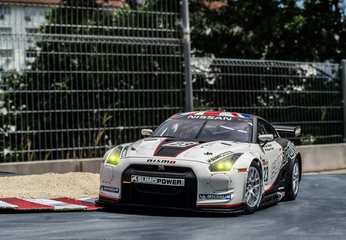 This rivalry drives innovation. For consumers, it means best hybrid sports cars 2025 lists are more competitive than ever. However, the Ferrari has set a bar so high that even with more horsepower, rivals will struggle to match the 296’s cohesion and fluidity.
Practicality and Ownership: Living with a Hybrid Supercar
One of the most surprising aspects of the Ferrari 296 GTB is its usability. Because it is a plug-in hybrid (PHEV), it offers approximately 15 miles of all-electric range. This sounds negligible, but it transforms the ownership experience. You can leave your neighborhood in total silence, utilizing the “eDrive” mode, before firing up the V6 on the highway. It reduces noise pollution and allows for a stealthy exit.
Charging is simple, done via a port on the rear flank. However, most owners will rely on the engine to recharge the battery while driving in “Performance” mode.
When discussing ownership, we must address the financials. With a starting price hovering around $340,000 and well-equipped models pushing past $450,000, this is a significant investment. High-net-worth individuals should consider supercar financing options carefully. Given the demand and the critical acclaim, the 296 GTB is holding its value exceptionally well. Exotic car leasing may also be an attractive avenue for those who want to experience the car for 24 to 36 months before the next technological leap arrives.
Maintenance and Reliability
Ferrari’s 7-year genuine maintenance program remains a massive selling point. It covers all scheduled maintenance for the first seven years of the car’s life, regardless of mileage. This transferable benefit significantly boosts resale value and lowers the cost of ownership compared to McLaren or Lamborghini.
For buyers searching for a “Ferrari dealer near me,” the network in the US is robust, ensuring that service and support for the complex hybrid systems are readily available.
Verdict: The New King of Maranello
The Ferrari 296 GTB is not just a great Ferrari; it is one of the greatest sports cars ever made. It successfully bridges the gap between the analog thrills of the past and the electrified performance of the future. It proves that hybridization, when done correctly, enhances rather than dilutes the driving experience.
The engine is a masterpiece, the chassis is telepathic, and the design is timeless. While the Lamborghini Temerario may bring more noise and more horsepower to the table later this year, it will have to be a truly transcendental machine to unseat the 296.
Ferrari has managed to shrink the car around the driver, making 819 horsepower feel approachable, exploitable, and utterly addictive. Whether you are looking for a weekend canyon carver or a track-day weapon, the 296 GTB delivers on every promise.
Technical Specifications
Engine: 3.0L Twin-Turbo 120-degree V6 + Electric Motor
Total Power: 819 hp @ 8,000 rpm
Total Torque: 546 lb-ft @ 6,250 rpm
Transmission: 8-Speed F1 Dual-Clutch
0-60 mph: 2.9 seconds
Top Speed: >205 mph
Dry Weight: 3,241 lbs (1,470 kg)
Electric Range: 15 miles
Ready to experience the pinnacle of hybrid performance?
This rivalry drives innovation. For consumers, it means best hybrid sports cars 2025 lists are more competitive than ever. However, the Ferrari has set a bar so high that even with more horsepower, rivals will struggle to match the 296’s cohesion and fluidity.
Practicality and Ownership: Living with a Hybrid Supercar
One of the most surprising aspects of the Ferrari 296 GTB is its usability. Because it is a plug-in hybrid (PHEV), it offers approximately 15 miles of all-electric range. This sounds negligible, but it transforms the ownership experience. You can leave your neighborhood in total silence, utilizing the “eDrive” mode, before firing up the V6 on the highway. It reduces noise pollution and allows for a stealthy exit.
Charging is simple, done via a port on the rear flank. However, most owners will rely on the engine to recharge the battery while driving in “Performance” mode.
When discussing ownership, we must address the financials. With a starting price hovering around $340,000 and well-equipped models pushing past $450,000, this is a significant investment. High-net-worth individuals should consider supercar financing options carefully. Given the demand and the critical acclaim, the 296 GTB is holding its value exceptionally well. Exotic car leasing may also be an attractive avenue for those who want to experience the car for 24 to 36 months before the next technological leap arrives.
Maintenance and Reliability
Ferrari’s 7-year genuine maintenance program remains a massive selling point. It covers all scheduled maintenance for the first seven years of the car’s life, regardless of mileage. This transferable benefit significantly boosts resale value and lowers the cost of ownership compared to McLaren or Lamborghini.
For buyers searching for a “Ferrari dealer near me,” the network in the US is robust, ensuring that service and support for the complex hybrid systems are readily available.
Verdict: The New King of Maranello
The Ferrari 296 GTB is not just a great Ferrari; it is one of the greatest sports cars ever made. It successfully bridges the gap between the analog thrills of the past and the electrified performance of the future. It proves that hybridization, when done correctly, enhances rather than dilutes the driving experience.
The engine is a masterpiece, the chassis is telepathic, and the design is timeless. While the Lamborghini Temerario may bring more noise and more horsepower to the table later this year, it will have to be a truly transcendental machine to unseat the 296.
Ferrari has managed to shrink the car around the driver, making 819 horsepower feel approachable, exploitable, and utterly addictive. Whether you are looking for a weekend canyon carver or a track-day weapon, the 296 GTB delivers on every promise.
Technical Specifications
Engine: 3.0L Twin-Turbo 120-degree V6 + Electric Motor
Total Power: 819 hp @ 8,000 rpm
Total Torque: 546 lb-ft @ 6,250 rpm
Transmission: 8-Speed F1 Dual-Clutch
0-60 mph: 2.9 seconds
Top Speed: >205 mph
Dry Weight: 3,241 lbs (1,470 kg)
Electric Range: 15 miles
Ready to experience the pinnacle of hybrid performance?
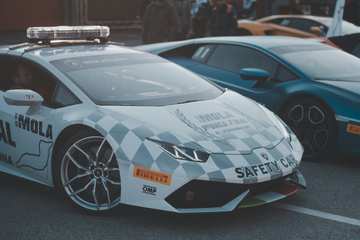 The demand for the Ferrari 296 GTB is unprecedented, and allocation slots are filling fast. Don’t just read about the revolution—drive it. Contact your local Ferrari authorized dealer today to schedule your consultation and configure the supercar that redefined the genre.