
The Apex Predator of the Track: A Deep Dive into the Evolution and Future of the Porsche 911 GT3 RS
As a seasoned observer of the automotive landscape for over a decade, I’ve witnessed the relentless
pursuit of performance from manufacturers worldwide. Yet, few have mastered the art of extracting pure, unadulterated driving pleasure from a road-legal machine quite like Porsche. Their legendary 911 lineage, a cornerstone of performance motoring, has consistently pushed boundaries. Within this esteemed family, the GT3 RS stands as a beacon of track-focused engineering, a machine meticulously sculpted for the asphalt battlefield. It’s not merely a car; it’s a statement of intent, a testament to what happens when passion meets unparalleled precision.
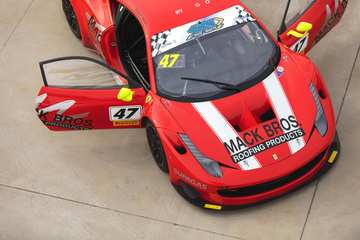 The story of the Porsche 911 GT3 RS isn’t one of sudden revelation, but rather a gradual, deliberate ascent to an apex predator status. Back in 1999, when the 996 generation of the iconic 911 introduced the GT3 variant, the automotive cognoscenti widely hailed it as the ultimate expression of a track-honed 911. Its race-derived flat-six engine, a symphony of mechanical precision, coupled with an obsessive focus on lightweight construction and homologation requirements, cemented its reputation. However, the engineers in Stuttgart, a fraternity of automotive alchemists, clearly believed there was still untapped potential, a whisper of further refinement waiting to be unleashed.
This unwavering dedication to incremental improvement led to the facelifted 996.2 GT3. But even that wasn’t enough. Porsche, in their characteristic pursuit of perfection, decided to elevate the game further. They honed the GT3 into an even more ferocious beast, christening it the GT3 RS (Rennsport, meaning “racing sport”). This wasn’t just a cosmetic upgrade; it was a strategic evolution. Weight was shed with an almost surgical precision through lighter wheels and revised body panels. The already potent flat-six received a modest power bump, and aerodynamic elements were subtly retweaked. The result was a car so intrinsically hardcore and race-derived that it made the standard GT3 appear almost pedestrian by comparison. For the ensuing two decades, the GT3 RS has become an indelible icon, a familiar and revered presence at every track day and spirited driving event across the globe.
Fast forward to the present day, and the current iteration, the 992.1 generation Porsche 911 GT3 RS, has propelled this track-focused ethos into entirely new stratospheres of intensity. This is a car that defies convention, a rolling testament to the relentless pursuit of aerodynamic and mechanical excellence. Its carbon fiber bonnet now houses a central radiator, a design choice inspired by motorsport, with prominent “nostril” outlets meticulously channeling airflow over the roof. This is complemented by a hydraulically adjustable front splitter, a feature usually reserved for hypercars and elite racing machines, alongside underbody flaps akin to those found on the Turbo S, working in concert to generate prodigious levels of downforce. The colossal swan-neck rear wing, a visual spectacle in its own right, incorporates Drag Reduction System (DRS) technology, mirroring the sophistication of Formula 1 cars and the McLaren P1. This isn’t just design; it’s a symphony of forces, a ballet of air manipulation.
The mechanical prowess underpins the aerodynamic aggression. The 992.1 GT3 RS boasts adjustable, race-derived suspension, allowing for granular tuning to suit any circuit’s nuances. Dynamic engine mounts further refine the connection between driver and machine, minimizing unwanted flex and ensuring instantaneous throttle response. Large air intakes, artfully integrated into the bodywork, feed the voracious appetite of its heart – a monumental 4.0-liter naturally aspirated flat-six engine, unleashing a formidable 525 horsepower. The cumulative effect of these meticulously engineered elements is staggering: a 0-62 mph sprint in a mere 3.2 seconds, a jaw-dropping 860 kilograms of downforce at 177 mph, and a searing Nürburgring lap time of 6:44.85. To put this into perspective, the gulf between the standard GT3 and this RS variant is as vast as the difference between a soaring eagle and a humble swallow. It represents the pinnacle of what Porsche believes a road-legal track weapon can be.
The Horizon: What the Forthcoming Porsche 911 GT3 RS 992.2 Holds
In the dynamic world of automotive development, stillness is the enemy of progress. Recent clandestine photographic expeditions have unveiled camouflaged prototypes of the facelifted 992.2 GT3 RS undergoing its final developmental stages, and where else but the hallowed grounds of the Nürburgring? This is the crucible where automotive legends are forged and refined. As is the Porsche tradition with every iteration of the 911, the visual distinctions between the outgoing 992.1 and its imminent successor are subtle, a testament to the enduring and highly effective design language. The familiar central radiator with its distinctive “nostril” outlets, the imposing swan-neck rear wing complete with DRS, the aggressive air intakes, the sculpted side skirts, and even the minimalist door handles – these hallmark features persist, a continuity of performance.
The story of the Porsche 911 GT3 RS isn’t one of sudden revelation, but rather a gradual, deliberate ascent to an apex predator status. Back in 1999, when the 996 generation of the iconic 911 introduced the GT3 variant, the automotive cognoscenti widely hailed it as the ultimate expression of a track-honed 911. Its race-derived flat-six engine, a symphony of mechanical precision, coupled with an obsessive focus on lightweight construction and homologation requirements, cemented its reputation. However, the engineers in Stuttgart, a fraternity of automotive alchemists, clearly believed there was still untapped potential, a whisper of further refinement waiting to be unleashed.
This unwavering dedication to incremental improvement led to the facelifted 996.2 GT3. But even that wasn’t enough. Porsche, in their characteristic pursuit of perfection, decided to elevate the game further. They honed the GT3 into an even more ferocious beast, christening it the GT3 RS (Rennsport, meaning “racing sport”). This wasn’t just a cosmetic upgrade; it was a strategic evolution. Weight was shed with an almost surgical precision through lighter wheels and revised body panels. The already potent flat-six received a modest power bump, and aerodynamic elements were subtly retweaked. The result was a car so intrinsically hardcore and race-derived that it made the standard GT3 appear almost pedestrian by comparison. For the ensuing two decades, the GT3 RS has become an indelible icon, a familiar and revered presence at every track day and spirited driving event across the globe.
Fast forward to the present day, and the current iteration, the 992.1 generation Porsche 911 GT3 RS, has propelled this track-focused ethos into entirely new stratospheres of intensity. This is a car that defies convention, a rolling testament to the relentless pursuit of aerodynamic and mechanical excellence. Its carbon fiber bonnet now houses a central radiator, a design choice inspired by motorsport, with prominent “nostril” outlets meticulously channeling airflow over the roof. This is complemented by a hydraulically adjustable front splitter, a feature usually reserved for hypercars and elite racing machines, alongside underbody flaps akin to those found on the Turbo S, working in concert to generate prodigious levels of downforce. The colossal swan-neck rear wing, a visual spectacle in its own right, incorporates Drag Reduction System (DRS) technology, mirroring the sophistication of Formula 1 cars and the McLaren P1. This isn’t just design; it’s a symphony of forces, a ballet of air manipulation.
The mechanical prowess underpins the aerodynamic aggression. The 992.1 GT3 RS boasts adjustable, race-derived suspension, allowing for granular tuning to suit any circuit’s nuances. Dynamic engine mounts further refine the connection between driver and machine, minimizing unwanted flex and ensuring instantaneous throttle response. Large air intakes, artfully integrated into the bodywork, feed the voracious appetite of its heart – a monumental 4.0-liter naturally aspirated flat-six engine, unleashing a formidable 525 horsepower. The cumulative effect of these meticulously engineered elements is staggering: a 0-62 mph sprint in a mere 3.2 seconds, a jaw-dropping 860 kilograms of downforce at 177 mph, and a searing Nürburgring lap time of 6:44.85. To put this into perspective, the gulf between the standard GT3 and this RS variant is as vast as the difference between a soaring eagle and a humble swallow. It represents the pinnacle of what Porsche believes a road-legal track weapon can be.
The Horizon: What the Forthcoming Porsche 911 GT3 RS 992.2 Holds
In the dynamic world of automotive development, stillness is the enemy of progress. Recent clandestine photographic expeditions have unveiled camouflaged prototypes of the facelifted 992.2 GT3 RS undergoing its final developmental stages, and where else but the hallowed grounds of the Nürburgring? This is the crucible where automotive legends are forged and refined. As is the Porsche tradition with every iteration of the 911, the visual distinctions between the outgoing 992.1 and its imminent successor are subtle, a testament to the enduring and highly effective design language. The familiar central radiator with its distinctive “nostril” outlets, the imposing swan-neck rear wing complete with DRS, the aggressive air intakes, the sculpted side skirts, and even the minimalist door handles – these hallmark features persist, a continuity of performance.
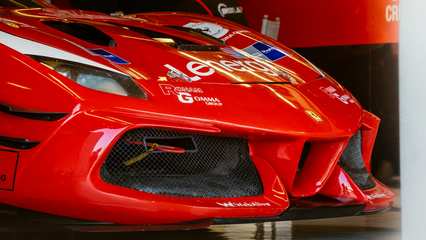 However, keen observers will note the subtle integration of lower-mounted indicator lights, a design departure from many contemporary 992.2 models that have integrated their blinkers within the headlight clusters. The rear diffuser has also undergone a slight reworking, featuring new, understated rear intakes flanking the exhaust system. While official confirmation regarding the integration of the digital dashboard, a prominent feature of the broader 992.2 range, remains elusive, the overall aesthetic continues to project that aggressive yet undeniably effective track-focused persona that has become synonymous with the GT3 RS. This is a machine that looks as purposeful as it performs, a visual promise of adrenaline.
Whispers from the engineering workshops have speculated about the potential integration of the 3.6-liter twin-turbo hybrid flat-six engine, a powerplant that has become a signature of many 992.2 models, into the new GT3 RS. Such an integration would undoubtedly propel its power output significantly beyond that of the current 4.0-liter naturally aspirated unit. However, as a seasoned professional deeply immersed in the nuances of performance engineering, I hold a different conviction. My intuition, honed by years of experience, strongly suggests this path is unlikely for the GT3 RS.
Firstly, if Porsche intended to standardize the hybrid powertrain across its GT division, it is highly probable that the standard GT3 would have been the initial recipient. The fact that it wasn’t, suggests a deliberate segmentation of their performance offerings. Secondly, while the masterful engineers in Stuttgart have achieved remarkable feats in integrating their new hybrid systems, the inherent weight penalty associated with these powertrains remains a significant consideration. For a car where every gram is scrutinized, and where weight reduction is paramount to agile performance, adding the complexity and mass of a hybrid system would be a move antithetical to the GT3 RS philosophy.
Most crucially, however, is the fundamental spirit of the GT3 RS. This is not a supercar engineered solely to shatter lap records or to boast the highest horsepower figures. At its core, the GT3 and its RS sibling are purist sports cars, meticulously crafted to deliver an exhilarating, visceral driving experience. They are designed to thrill, to engage the driver, and to foster a profound connection with the road. Shoehorning a hybrid system into this equation, merely for the sake of increased power, would fundamentally dilute that core essence.
This is where the upcoming GT2 RS, a model with an even more extreme performance mandate, enters the equation. It is highly probable that the GT2 RS will be the platform for showcasing the 3.6-liter hybrid flat-six. Porsche understands that appealing to the discerning GT3 RS customer base hinges on delivering the purest, most mechanical, and most track-tuned driving thrill on the market. To compromise that with anything other than the beloved 4.0-liter naturally aspirated flat-six would feel profoundly misguided, an affront to decades of tradition. This is particularly poignant when considering the very real possibility that this 992.2 GT3 RS might represent the swansong for this iconic naturally aspirated engine, a final, glorious crescendo before its well-earned retirement.
In the competitive arena, the landscape is constantly shifting. Recently, Mercedes-AMG unveiled spy shots of their upcoming track-focused AMG GT, a vehicle poised to directly challenge either the new GT3 RS or the impending GT2 RS. While the initial impressions suggest a formidable contender, there’s an undeniable truth: it would require a full arsenal of technological wizardry, perhaps even a complimentary rocket booster, to truly rival the sheer, unadulterated performance envelope of the Porsche 911 GT3 RS. The enduring legacy of this machine, its consistent relevance over two decades, is not an accident; it’s a testament to a singular, unwavering focus on driver engagement and track supremacy. As the final chapters of its naturally aspirated era begin to unfold, there is no question that if this represents its farewell, the Porsche 911 GT3 RS will depart with a thunderous, soul-stirring roar of its flat-six engine, leaving an indelible mark on automotive history.
However, keen observers will note the subtle integration of lower-mounted indicator lights, a design departure from many contemporary 992.2 models that have integrated their blinkers within the headlight clusters. The rear diffuser has also undergone a slight reworking, featuring new, understated rear intakes flanking the exhaust system. While official confirmation regarding the integration of the digital dashboard, a prominent feature of the broader 992.2 range, remains elusive, the overall aesthetic continues to project that aggressive yet undeniably effective track-focused persona that has become synonymous with the GT3 RS. This is a machine that looks as purposeful as it performs, a visual promise of adrenaline.
Whispers from the engineering workshops have speculated about the potential integration of the 3.6-liter twin-turbo hybrid flat-six engine, a powerplant that has become a signature of many 992.2 models, into the new GT3 RS. Such an integration would undoubtedly propel its power output significantly beyond that of the current 4.0-liter naturally aspirated unit. However, as a seasoned professional deeply immersed in the nuances of performance engineering, I hold a different conviction. My intuition, honed by years of experience, strongly suggests this path is unlikely for the GT3 RS.
Firstly, if Porsche intended to standardize the hybrid powertrain across its GT division, it is highly probable that the standard GT3 would have been the initial recipient. The fact that it wasn’t, suggests a deliberate segmentation of their performance offerings. Secondly, while the masterful engineers in Stuttgart have achieved remarkable feats in integrating their new hybrid systems, the inherent weight penalty associated with these powertrains remains a significant consideration. For a car where every gram is scrutinized, and where weight reduction is paramount to agile performance, adding the complexity and mass of a hybrid system would be a move antithetical to the GT3 RS philosophy.
Most crucially, however, is the fundamental spirit of the GT3 RS. This is not a supercar engineered solely to shatter lap records or to boast the highest horsepower figures. At its core, the GT3 and its RS sibling are purist sports cars, meticulously crafted to deliver an exhilarating, visceral driving experience. They are designed to thrill, to engage the driver, and to foster a profound connection with the road. Shoehorning a hybrid system into this equation, merely for the sake of increased power, would fundamentally dilute that core essence.
This is where the upcoming GT2 RS, a model with an even more extreme performance mandate, enters the equation. It is highly probable that the GT2 RS will be the platform for showcasing the 3.6-liter hybrid flat-six. Porsche understands that appealing to the discerning GT3 RS customer base hinges on delivering the purest, most mechanical, and most track-tuned driving thrill on the market. To compromise that with anything other than the beloved 4.0-liter naturally aspirated flat-six would feel profoundly misguided, an affront to decades of tradition. This is particularly poignant when considering the very real possibility that this 992.2 GT3 RS might represent the swansong for this iconic naturally aspirated engine, a final, glorious crescendo before its well-earned retirement.
In the competitive arena, the landscape is constantly shifting. Recently, Mercedes-AMG unveiled spy shots of their upcoming track-focused AMG GT, a vehicle poised to directly challenge either the new GT3 RS or the impending GT2 RS. While the initial impressions suggest a formidable contender, there’s an undeniable truth: it would require a full arsenal of technological wizardry, perhaps even a complimentary rocket booster, to truly rival the sheer, unadulterated performance envelope of the Porsche 911 GT3 RS. The enduring legacy of this machine, its consistent relevance over two decades, is not an accident; it’s a testament to a singular, unwavering focus on driver engagement and track supremacy. As the final chapters of its naturally aspirated era begin to unfold, there is no question that if this represents its farewell, the Porsche 911 GT3 RS will depart with a thunderous, soul-stirring roar of its flat-six engine, leaving an indelible mark on automotive history.
 For those who understand the allure of the track, the thrill of precision engineering, and the intoxicating symphony of a high-revving naturally aspirated engine, the current or upcoming Porsche 911 GT3 RS represents an unparalleled opportunity. Whether you’re seeking to enhance your track day prowess or simply wish to experience automotive perfection, now is the time to explore the available models and discover the ultimate expression of driving passion. Contact your local Porsche Center today to arrange a consultation and begin your journey with the apex predator of the road.