
The Apex Predator: Understanding the Evolution and Future of the Porsche 911 GT3 RS
For over a quarter-century, the automotive world has been captivated by a singular pursuit of track-bred perfection.
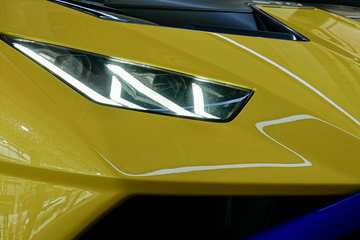 It began with a whisper in 1999, when Porsche unveiled the 996 generation of the 911 GT3. In the eyes of many, this was the zenith of 911 engineering – a machine stripped down, tuned for the circuit, and homologated for the road. Its race-derived flat-six engine, featherlight construction, and sheer purposefulness cemented its status as the ultimate driver’s car. Yet, within the hallowed halls of Porsche’s R&D department, a clandestine ambition persisted: to push the boundaries even further.
This relentless pursuit of automotive excellence led to the creation of the 996.2 GT3 RS. It wasn’t merely an evolution; it was a revolution in hardcore performance. Porsche’s engineers meticulously shaved grams through lighter wheels and body panels, coaxed more power from the already potent flat-six, and subtly refined the aerodynamics. The result was a vehicle that rendered the standard GT3 almost pedestrian by comparison. The GT3 RS was born – a raw, uncompromising beast that instantly became an icon at track days and spirited drives across the globe, a legend forged in the crucible of competition.
Fast forward to the current iteration, the 992.1 Porsche 911 GT3 RS, and the track-focused ethos has ascended to stratospheric heights. This is not just a car; it’s a symphony of motorsport engineering for the road. Its carbon fiber hood, a signature design element, features a central radiator flanked by distinctive “nostril” outlets that meticulously channel airflow over the roof, contributing to its immense aerodynamic efficacy. Adding to its functional aggression are hydraulically adjustable front splitters and underbody flaps, technology borrowed from the formidable Turbo S. And then there’s the colossal swan-neck rear wing, an engineering marvel that incorporates Drag Reduction System (DRS) functionality, mirroring the sophisticated aerodynamic aids found in Formula 1 cars and hypercars like the McLaren P1.
The chassis and suspension are equally radical. Adjustable, race-derived suspension allows for bespoke tuning, while dynamic engine mounts ensure optimal power delivery under extreme G-forces. Large air intakes and aggressive side skirts sculpt the car’s profile, channeling air where it’s needed most. At its heart beats a potent 4.0-liter naturally aspirated flat-six engine, producing a blistering 525 horsepower. The collective impact of these advancements is staggering: a 0-62 mph sprint in a mere 3.2 seconds, a mind-bending 860 kg of downforce at 177 mph, and a truly astounding Nürburgring Nordschleife lap time of 6:44.85. The gulf between this track-hardened machine and a standard 911 GT3 is as vast as the difference between an eagle and a swallow.
The Horizon: What Awaits the 992.2 Porsche 911 GT3 RS?
As is the Porsche way, evolution is a constant. Recent sightings of a camouflaged 992.2 GT3 RS undergoing rigorous testing at its spiritual home, the Nürburgring, suggest that Porsche is far from resting on its laurels. True to the 911 lineage, the visual changes from the outgoing 992.1 are subtle, almost imperceptible to the untrained eye. The iconic central radiator with its “nostril” outlets remains, as does the monumental swan-neck rear wing with DRS, prominent air intakes, and the distinctive door handles.
It began with a whisper in 1999, when Porsche unveiled the 996 generation of the 911 GT3. In the eyes of many, this was the zenith of 911 engineering – a machine stripped down, tuned for the circuit, and homologated for the road. Its race-derived flat-six engine, featherlight construction, and sheer purposefulness cemented its status as the ultimate driver’s car. Yet, within the hallowed halls of Porsche’s R&D department, a clandestine ambition persisted: to push the boundaries even further.
This relentless pursuit of automotive excellence led to the creation of the 996.2 GT3 RS. It wasn’t merely an evolution; it was a revolution in hardcore performance. Porsche’s engineers meticulously shaved grams through lighter wheels and body panels, coaxed more power from the already potent flat-six, and subtly refined the aerodynamics. The result was a vehicle that rendered the standard GT3 almost pedestrian by comparison. The GT3 RS was born – a raw, uncompromising beast that instantly became an icon at track days and spirited drives across the globe, a legend forged in the crucible of competition.
Fast forward to the current iteration, the 992.1 Porsche 911 GT3 RS, and the track-focused ethos has ascended to stratospheric heights. This is not just a car; it’s a symphony of motorsport engineering for the road. Its carbon fiber hood, a signature design element, features a central radiator flanked by distinctive “nostril” outlets that meticulously channel airflow over the roof, contributing to its immense aerodynamic efficacy. Adding to its functional aggression are hydraulically adjustable front splitters and underbody flaps, technology borrowed from the formidable Turbo S. And then there’s the colossal swan-neck rear wing, an engineering marvel that incorporates Drag Reduction System (DRS) functionality, mirroring the sophisticated aerodynamic aids found in Formula 1 cars and hypercars like the McLaren P1.
The chassis and suspension are equally radical. Adjustable, race-derived suspension allows for bespoke tuning, while dynamic engine mounts ensure optimal power delivery under extreme G-forces. Large air intakes and aggressive side skirts sculpt the car’s profile, channeling air where it’s needed most. At its heart beats a potent 4.0-liter naturally aspirated flat-six engine, producing a blistering 525 horsepower. The collective impact of these advancements is staggering: a 0-62 mph sprint in a mere 3.2 seconds, a mind-bending 860 kg of downforce at 177 mph, and a truly astounding Nürburgring Nordschleife lap time of 6:44.85. The gulf between this track-hardened machine and a standard 911 GT3 is as vast as the difference between an eagle and a swallow.
The Horizon: What Awaits the 992.2 Porsche 911 GT3 RS?
As is the Porsche way, evolution is a constant. Recent sightings of a camouflaged 992.2 GT3 RS undergoing rigorous testing at its spiritual home, the Nürburgring, suggest that Porsche is far from resting on its laurels. True to the 911 lineage, the visual changes from the outgoing 992.1 are subtle, almost imperceptible to the untrained eye. The iconic central radiator with its “nostril” outlets remains, as does the monumental swan-neck rear wing with DRS, prominent air intakes, and the distinctive door handles.
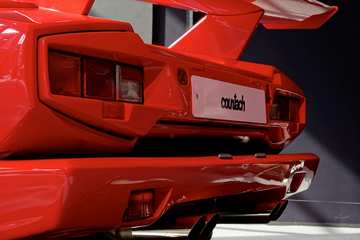 However, keen observers will note a few refinements. The turn signals appear to have been repositioned lower down, a departure from the placement within the headlights seen on many other 992.2 models. The rear diffuser has undergone a minor redesign, now featuring small, discreet intakes flanking the exhaust system. While the integration of the digital dashboard, a staple of the 992.2 range, remains unconfirmed for the GT3 RS, the overall impression is one of an aggressive, yet undeniably effective, track weapon, continuing the legacy of its predecessors.
Whispers in the automotive ether have speculated about a potential powertrain shift for the new GT3 RS, with some suggesting the adoption of the 3.6-liter twin-turbo hybrid flat-six engine that powers many other 992.2 variants. Such a move would undoubtedly deliver a significant power surge over the current 4.0-liter naturally aspirated unit. However, as an industry veteran with a decade of experience observing Porsche’s meticulous engineering philosophy, I remain cautiously optimistic that this particular path will not be taken.
My reasoning is twofold. Firstly, if Porsche intended to standardize a hybrid powertrain across its GT models, it is highly probable that the standard GT3 would have already received this treatment. The fact that it hasn’t suggests a deliberate differentiation strategy. Secondly, and perhaps more critically, while Porsche’s engineers have undoubtedly achieved remarkable feats in integrating and refining their new hybrid powertrain, it inherently carries additional weight. For a vehicle where every gram is scrutinized and where optimal weight distribution is paramount, introducing extra mass is anathema to the core GT3 RS philosophy.
Most importantly, however, fitting a hybrid system solely for the sake of increased power would fundamentally betray the spirit of the GT3 RS. At their very essence, GT3 and GT3 RS models are not hypercars designed to chase outright top-speed records; they are purebred sports cars meticulously crafted to deliver an unparalleled driving thrill, to engage the senses, and to reward the skilled driver on the racetrack. This distinction is crucial.
For those seeking the ultimate in raw, unadulterated power and blistering performance, Porsche has long reserved its legendary GT2 RS moniker. It is highly probable that the next-generation GT2 RS will indeed feature the potent 3.6-liter hybrid flat-six. Porsche’s astute understanding of its discerning customer base for the GT3 RS lies in their desire for the most uncompromised, mechanically pure, and race-tuned driving experience available. To deviate from the naturally aspirated flat-six, particularly the beloved 4.0-liter, would feel profoundly discordant with this ethos. Furthermore, considering the trajectory of automotive technology, this iteration of the 4.0-liter flat-six may well represent the swan song for this iconic engine in the GT3 RS lineage.
Rivalry and Legacy: Charting the Course Ahead
The competitive landscape is continually evolving, and recent spy shots of Mercedes-AMG’s new track-focused GT model suggest a formidable contender entering the fray. This new AMG GT is poised to rival either the upcoming GT3 RS or the speculated GT2 RS. While the performance potential of this new Mercedes appears undeniably impressive, it faces a monumental task in matching the legacy and the sheer, unadulterated driving engagement that the Porsche 911 GT3 RS consistently delivers. There’s a profound reason why this track-focused icon has endured for over two decades.
As the horizon for the current 992 generation of the GT3 RS approaches, and with the potential for this to be the final chapter for the naturally aspirated flat-six in this specific model, it’s clear that Porsche intends to send it off with a resounding roar. The anticipation surrounding the 992.2 GT3 RS is palpable, not just for its performance, but for the understanding that it represents a pivotal moment in Porsche’s storied history. If this is indeed its farewell, it will be a magnificent exit, a final, triumphant symphony played out on the world’s most demanding circuits.
However, keen observers will note a few refinements. The turn signals appear to have been repositioned lower down, a departure from the placement within the headlights seen on many other 992.2 models. The rear diffuser has undergone a minor redesign, now featuring small, discreet intakes flanking the exhaust system. While the integration of the digital dashboard, a staple of the 992.2 range, remains unconfirmed for the GT3 RS, the overall impression is one of an aggressive, yet undeniably effective, track weapon, continuing the legacy of its predecessors.
Whispers in the automotive ether have speculated about a potential powertrain shift for the new GT3 RS, with some suggesting the adoption of the 3.6-liter twin-turbo hybrid flat-six engine that powers many other 992.2 variants. Such a move would undoubtedly deliver a significant power surge over the current 4.0-liter naturally aspirated unit. However, as an industry veteran with a decade of experience observing Porsche’s meticulous engineering philosophy, I remain cautiously optimistic that this particular path will not be taken.
My reasoning is twofold. Firstly, if Porsche intended to standardize a hybrid powertrain across its GT models, it is highly probable that the standard GT3 would have already received this treatment. The fact that it hasn’t suggests a deliberate differentiation strategy. Secondly, and perhaps more critically, while Porsche’s engineers have undoubtedly achieved remarkable feats in integrating and refining their new hybrid powertrain, it inherently carries additional weight. For a vehicle where every gram is scrutinized and where optimal weight distribution is paramount, introducing extra mass is anathema to the core GT3 RS philosophy.
Most importantly, however, fitting a hybrid system solely for the sake of increased power would fundamentally betray the spirit of the GT3 RS. At their very essence, GT3 and GT3 RS models are not hypercars designed to chase outright top-speed records; they are purebred sports cars meticulously crafted to deliver an unparalleled driving thrill, to engage the senses, and to reward the skilled driver on the racetrack. This distinction is crucial.
For those seeking the ultimate in raw, unadulterated power and blistering performance, Porsche has long reserved its legendary GT2 RS moniker. It is highly probable that the next-generation GT2 RS will indeed feature the potent 3.6-liter hybrid flat-six. Porsche’s astute understanding of its discerning customer base for the GT3 RS lies in their desire for the most uncompromised, mechanically pure, and race-tuned driving experience available. To deviate from the naturally aspirated flat-six, particularly the beloved 4.0-liter, would feel profoundly discordant with this ethos. Furthermore, considering the trajectory of automotive technology, this iteration of the 4.0-liter flat-six may well represent the swan song for this iconic engine in the GT3 RS lineage.
Rivalry and Legacy: Charting the Course Ahead
The competitive landscape is continually evolving, and recent spy shots of Mercedes-AMG’s new track-focused GT model suggest a formidable contender entering the fray. This new AMG GT is poised to rival either the upcoming GT3 RS or the speculated GT2 RS. While the performance potential of this new Mercedes appears undeniably impressive, it faces a monumental task in matching the legacy and the sheer, unadulterated driving engagement that the Porsche 911 GT3 RS consistently delivers. There’s a profound reason why this track-focused icon has endured for over two decades.
As the horizon for the current 992 generation of the GT3 RS approaches, and with the potential for this to be the final chapter for the naturally aspirated flat-six in this specific model, it’s clear that Porsche intends to send it off with a resounding roar. The anticipation surrounding the 992.2 GT3 RS is palpable, not just for its performance, but for the understanding that it represents a pivotal moment in Porsche’s storied history. If this is indeed its farewell, it will be a magnificent exit, a final, triumphant symphony played out on the world’s most demanding circuits.
 For enthusiasts and collectors alike, the opportunity to experience and potentially own a piece of this automotive history is now. The pursuit of track-day excellence has never been more compelling. We invite you to explore the unparalleled world of the Porsche 911 GT3 RS and discover how you can be a part of its enduring legacy.